
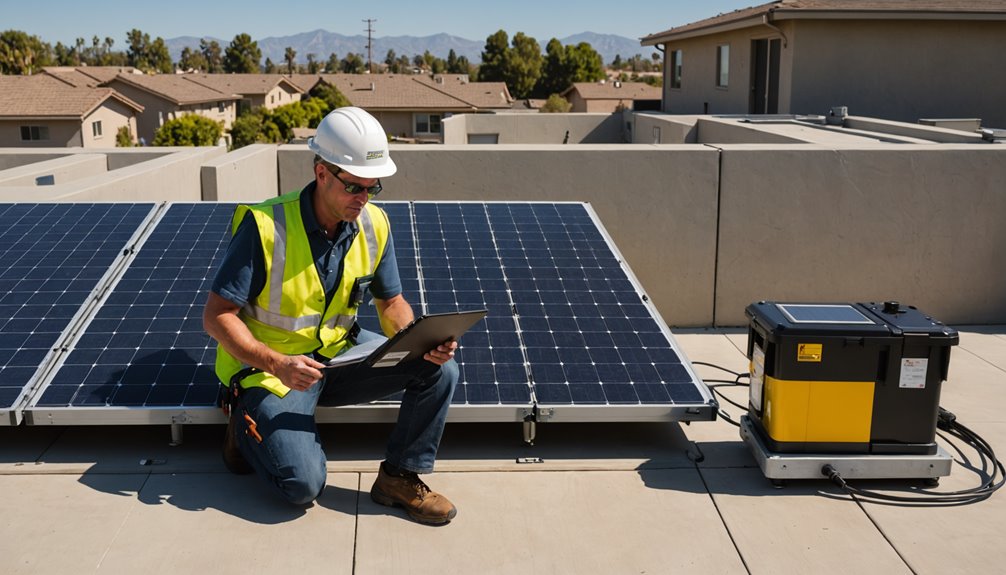
Installing a battery storage system in California requires compliance with several regulatory frameworks before the system can operate. Homeowners must obtain permits from their local Authority Having Jurisdiction (AHJ), which is typically the city or county building department.
In most cases, an electrical permit is required at minimum, and some jurisdictions also require a separate building permit depending on where the battery is installed.
California battery installations must conform to the National Electrical Code (NEC), specifically Article 706, which governs energy storage systems. Additionally, installations must meet the California Electrical Code, California Fire Code, and any local amendments adopted by the AHJ.
The California Fire Code places specific restrictions on battery placement, particularly for lithium-ion systems, including requirements related to ventilation, clearances, and proximity to living spaces.
Most jurisdictions require a licensed electrical contractor to pull the permit, though some allow homeowners to act as their own general contractor.
After installation, a physical inspection by a building official is required before the system can be energized. If the battery is connected to a solar photovoltaic system, the local utility must also approve an interconnection agreement, which adds a separate approval timeline.
Processing times vary by jurisdiction. Some counties offer over-the-counter permit approval, while others require plan check review that can take several weeks.
Submitting complete and accurate documentation, including system specifications, electrical diagrams, and equipment listings, reduces the likelihood of delays or correction notices.
Do You Need a Permit for Solar Battery Installation in California?
Installing a solar battery in California requires obtaining several permits before work begins. A separate electrical permit is typically mandatory for new installations or modifications to existing systems. Local jurisdictions also require a building permit for battery energy storage systems, and installers must submit a Hazardous Materials Reporting Form as part of the approval process.
Permitting fees generally range from $100 to $600, with the final cost determined by the complexity of the installation. All systems must comply with the National Electrical Code and applicable local safety codes. Once installation is complete, authorities conduct mandatory inspections to confirm regulatory compliance.
Identifying permit requirements before beginning installation reduces the risk of project delays and ensures the system adheres to California’s established safety and regulatory standards. Homeowners in Woodside may also benefit from working with installers who hold NABCEP certification, as this credential reflects a recognized standard of technical expertise in battery system installations.
Which Permits Apply to Your Battery Storage Project?
Determining which permits apply to a battery storage project is a necessary step in ensuring regulatory compliance and avoiding construction delays. Most installations will require an Electrical Permit, which governs the safe integration of the battery system with existing electrical infrastructure. A Building Permit may also be required when the system exceeds defined capacity thresholds or involves structural modifications to the property.
Both permit types carry specific documentation requirements, which commonly include hazardous materials disclosure forms given the chemical composition of battery storage systems. Installations must conform to compliance standards established by the California Energy Commission, as well as technical requirements outlined in the National Electrical Code (NEC).
Inspection requirements are a standard component of the approval process. Inspections must be completed and approved before the system receives authorization for grid interconnection. This step is non-negotiable and forms a critical checkpoint in the project timeline.
Permit fees vary based on project scope and complexity, with costs generally ranging from $100 to $600. More complex installations involving greater capacity or structural work may fall toward the higher end of this range.
Identifying the applicable permits at the outset of a project allows for accurate scheduling, budgeting, and resource allocation, reducing the likelihood of regulatory complications during or after installation.
What Documentation Do You Need to Submit?
Submitting the correct documentation is essential to avoid delays in permit approval. Required materials for a solar battery installation include project specifications, electrical diagrams, and structural assessments. Projects that require a building permit must also include a Stormwater Requirements Applicability Checklist and a Hazardous Materials Reporting Form. All plans must comply with California Energy Commission standards and contain manufacturer’s specifications addressing safety and performance. A registered design professional, such as a licensed C-10 contractor, is required to stamp and sign all submitted plans. Ensuring documentation is complete and accurate prior to submission supports regulatory compliance and reduces the likelihood of processing delays.
How Much Does a Solar Battery Permit Cost in California?
Solar battery permit costs in California generally range from $100 to $600, with the final amount determined by factors such as project complexity, system size, and the specific regulations of the local jurisdiction. These permits are required to ensure compliance with state and local building codes, which govern the safe installation of energy storage systems.
The permit application process involves submitting technical documentation related to the battery system, including equipment specifications and installation plans. Local building departments review these materials to confirm adherence to applicable codes before granting approval.
Processing times vary by jurisdiction, typically falling between one and eight weeks. Some jurisdictions offer expedited review for an additional fee, which can reduce approval timelines for time-sensitive installations.
Because permit fees and requirements differ across California’s counties and municipalities, contacting the relevant authority having jurisdiction directly is the most reliable way to obtain accurate cost information for a specific installation. This step allows property owners and installers to account for permit expenses during the project planning and budgeting phase.
How Do You Get a Solar Battery Permit Approved in California?
Obtaining a solar battery permit in California involves submitting a formal application to the local building department. The application package must include project details, system specifications, electrical blueprints, and a property layout diagram. Installations are required to comply with the National Electrical Code (NEC) as well as applicable local regulations.
The permitting process includes mandatory inspections prior to receiving Permission to Operate. Fees associated with permit approval generally fall between $100 and $600, with the specific amount determined by the jurisdiction in which the installation occurs.
Contractors who meet eligibility requirements may use SolarAPP+, a platform designed to reduce processing time for solar battery permit approvals. Adhering to the outlined requirements is necessary to ensure the installation meets California’s compliance standards.
What Safety Codes Must Your Battery Installation Pass?
Battery installations must meet several established safety codes before receiving final approval. The National Electrical Code (NEC) sets baseline requirements covering grounding procedures, overcurrent protection, and accessible disconnect placement. Local building codes and fire safety standards impose additional requirements, particularly for indoor installations, where heat detection systems are mandatory to identify potential hazards.
Battery systems integrated with solar energy setups must also comply with California Energy Commission standards. These regulations exist to ensure operational reliability and reduce safety risks associated with improper installation or equipment failure.
Ongoing compliance requires periodic maintenance checks conducted in accordance with manufacturer specifications. Failing to maintain these standards can result in code violations and associated financial penalties.