
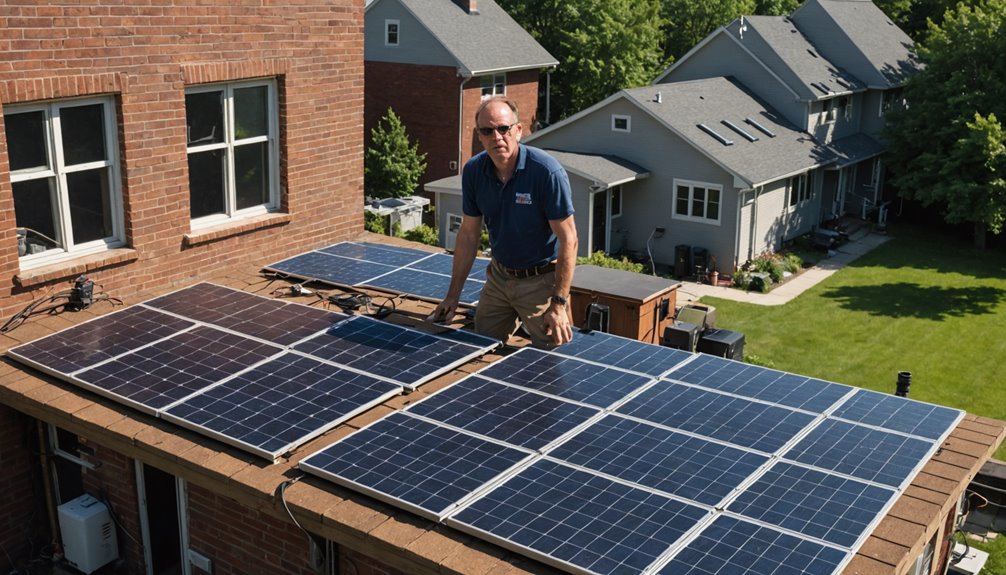
Sizing a solar system correctly requires careful analysis of multiple variables. A system that is too small will not meet a household’s energy demands, while an oversized system results in unnecessary upfront costs and excess generation that may not be fully utilized or compensated.
Energy consumption history, as reflected in utility bills, serves as one data point but does not account for future changes in usage patterns, planned additions of electric vehicles, HVAC upgrades, or shifts in occupancy.
Additional factors that influence accurate sizing include roof orientation, local shading conditions, regional solar irradiance levels, and the efficiency ratings of the specific panels being considered.
Seasonal variation in sunlight hours also affects annual output projections and should be incorporated into any sizing calculation.
Relying solely on a single year of billing data or using generic regional averages without site-specific assessment frequently leads to miscalculations. A thorough sizing process should include an on-site evaluation, analysis of at least 12 months of consumption data, and consideration of net metering policies in the relevant utility territory, as these directly affect the financial logic behind system size decisions.
Why Your Energy Bills Alone Cannot Size a Solar System
Sizing a solar system based solely on energy bills is an unreliable approach. Energy bills reflect historical consumption only and do not account for anticipated changes in energy demand, such as the addition of new appliances or the adoption of electric vehicles, both of which can substantially increase electricity usage.
Bills also fail to capture seasonal consumption patterns, which are critical for identifying peak demand periods. Accurate system sizing requires a comprehensive assessment that includes the home’s physical orientation, nearby shading sources, and regional climate data, all of which directly influence how much energy the solar panels can realistically generate.
System degradation is another factor that energy bills cannot address. Solar panels typically experience an output decline of 10 to 20 percent over their operational lifespan, which must be incorporated into sizing calculations from the outset. Without a thorough energy audit that accounts for these variables, a solar system is likely to be improperly sized, resulting in either insufficient energy production or unnecessary expenditure on excess capacity, along with diminished long-term performance. A properly sized system, supported by a 25-year performance warranty, provides reliable clean energy output and protects the homeowner’s investment over the full lifespan of the installation.
How Your Local Climate Reduces What Your Panels Actually Produce
Local climate conditions directly affect solar panel output, often creating a meaningful gap between rated capacity and real-world performance. Temperature is one contributing factor: panel efficiency decreases by approximately 0.5% to 1% per degree Celsius above 25°C, which is the standard testing temperature used by manufacturers. This means panels in hot climates may underperform relative to their rated specifications during peak summer months.
Solar irradiance varies considerably by geography. Regions with frequent cloud cover typically receive three to four peak sun hours per day, while clearer regions may receive five to six. This difference directly influences how much electricity a system generates over the course of a year.
Airborne particulates, including dust and pollution, reduce the amount of sunlight reaching panel surfaces. Studies indicate this can lower energy output by up to 20% in heavily affected areas, though regular cleaning can partially offset these losses.
In regions that receive snowfall, panels can be completely shaded until snow melts or is removed, resulting in periods of zero generation. Additionally, shorter daylight hours during winter months reduce daily output across all climates, regardless of panel positioning.
These factors collectively mean that system sizing based solely on ideal or peak conditions is likely to produce inaccurate output estimates. Reliable system design requires incorporating location-specific climate data, including average irradiance, temperature ranges, seasonal variation, and local air quality, to produce projections that reflect actual annual energy generation.
Shading and Panel Efficiency Factors That Distort Your Solar System Size
Shading is a frequently underestimated variable in solar system sizing. When not properly accounted for, it can reduce energy output by 20% or more. Partial shading introduces hot spots within solar panels, which accelerates efficiency degradation beyond the standard annual rate of 0.5–1%. Additionally, seasonal variations in the sun’s position influence optimal panel placement, making static calculations insufficient for accurate system sizing. A solar pathfinder tool can be used to assess year-round shading patterns prior to installation, providing more reliable data for system design. Failure to incorporate these factors into system sizing calculations results in inaccurate energy output projections, which can lead to a system that does not meet actual energy demands over its operational lifespan.
The Real Financial Cost of Undersizing Your Solar System
Failing to account for shading and panel efficiency can lead to an undersized solar system, which carries measurable financial consequences. A system that cannot meet household or business energy demands will require continued reliance on grid power, reducing or eliminating the utility bill savings that typically justify the initial investment. Certain government incentives and net metering programs are also structured around minimum production thresholds, meaning an underperforming system may not qualify for those benefits. Additionally, a system installed below actual capacity requirements will likely need expansion earlier than anticipated, adding costs that could have been avoided with accurate initial sizing. Reviewing 12 months of utility bills before finalizing system specifications provides a reliable baseline for estimating true energy consumption and reduces the likelihood of underestimating capacity needs.
Why Oversizing Your Solar System Wastes Money Without Added Benefit
Oversizing a solar system can result in financial inefficiency without proportional benefit. When energy production consistently exceeds household or facility consumption, net metering policies in many jurisdictions impose limits or reduced compensation rates on excess electricity fed back to the grid, lowering the overall return on investment.
Higher upfront installation costs associated with a larger system extend the payback period, reducing the financial case for the investment. Battery storage systems paired with an oversized solar array may also operate suboptimally, as they can reach full capacity before surplus energy is fully absorbed, leaving excess generation unused.
The core issue is that returns do not scale linearly with system size. Beyond a certain threshold aligned with actual consumption, additional capacity yields diminishing financial returns. A careful energy needs assessment, grounded in historical usage data and reasonable projections for future demand, allows for accurate system sizing. This approach avoids expenditure on capacity that will not be fully utilized and supports a more reliable calculation of return on investment.
How Ignoring Battery Storage Throws Off Your Solar System Size
Battery storage is an important factor that homeowners often overlook when determining the appropriate size for their solar systems. Excluding it from the design process can create notable gaps in energy supply, particularly during nighttime hours or power outages. Without adequate storage capacity, a solar system may underperform relative to household energy demands, resulting in continued reliance on the grid during periods of high consumption.
Incorporating battery storage solutions into a solar system design helps reduce grid dependence and improves self-consumption rates, meaning more of the energy generated is used directly by the household rather than exported. Products such as Fortress Power’s eFlex and eVault Max are examples of storage options that can be integrated into residential solar configurations to address these needs.
When battery storage is correctly sized in relation to the solar array and household consumption patterns, the energy generated during daylight hours can be stored and used at night or during low-generation periods. This alignment between generation, storage, and consumption generally leads to improved system efficiency and can make the overall investment more cost-effective over time.
How Future Energy Needs Should Change Your System Size Today
Sizing a solar system requires a realistic assessment of both current and projected energy consumption. Analyzing a minimum of 12 months of utility bills provides a reliable baseline, capturing seasonal fluctuations that a shorter review period would miss.
Anticipated changes in energy demand should be incorporated into the sizing calculation. The addition of electric vehicles, home expansions, or new appliances represent measurable increases in electricity consumption that directly affect the required system capacity. Failing to account for these factors results in an undersized system, leading to continued grid dependency and higher long-term electricity costs. Conversely, oversizing a system beyond reasonable projected needs produces unnecessary upfront capital expenditure.
Accurate system sizing at the point of installation reduces the likelihood of costly modifications or system expansions in later years. These subsequent adjustments typically involve additional equipment costs, revised permitting, and potential compatibility issues with existing infrastructure.
Consulting with a qualified solar professional allows for a more precise demand forecast, incorporating both current consumption data and documented plans for future energy use. This approach supports a system design that aligns with actual long-term requirements, optimizing both financial return and operational efficiency over the system’s lifespan.
What Solar Installers Measure During a Design Consultation
During a design consultation, solar installers conduct several technical assessments that determine how a system is sized and configured. A minimum of 12 months of utility bills are reviewed to establish energy consumption patterns and identify usage trends. Anticipated increases in energy demand, such as electric vehicle charging or planned home additions, are also factored into system sizing calculations to avoid undersizing the installation.
Roof condition and orientation are evaluated to confirm structural integrity and determine the degree of sun exposure the panels will receive. Shading analysis is conducted to measure how obstructions from surrounding structures or vegetation may reduce energy output across different seasons. Inverter compatibility with the selected panels is also verified prior to installation to confirm that voltage ratings and capacity specifications are properly aligned.
How to Confirm Your Solar System Size Before Installation Begins
Before installation begins, independently verify that the recommended system size aligns with your household’s actual energy demands. Pull at least 12 months of utility bills and compare your recorded consumption figures against the figures used in the installer’s calculations. Discrepancies between the two may indicate an undersized or oversized system.
Request documentation on how the site assessment was conducted, including whether tools such as solar pathfinders or shading analysis software were used to measure sunlight exposure across different seasons. A thorough assessment should account for annual variation in sun angles and any obstructions that reduce panel output.
Account for anticipated changes in energy consumption before finalizing the system size. The addition of an electric vehicle, heat pump, or other high-draw appliance will increase demand and may require a larger system than one calculated solely on current usage patterns.
Confirm that panel placement was determined based on optimal sun exposure rather than purely on aesthetic or structural convenience. Suboptimal placement reduces system output and can affect the accuracy of projected energy generation figures.
Reviewing these factors before work begins is practical, as installation locks in a fixed configuration that is costly to modify afterward. A system that is poorly sized relative to actual consumption will either fail to offset a meaningful portion of electricity costs or will generate excess capacity that provides limited additional return.