
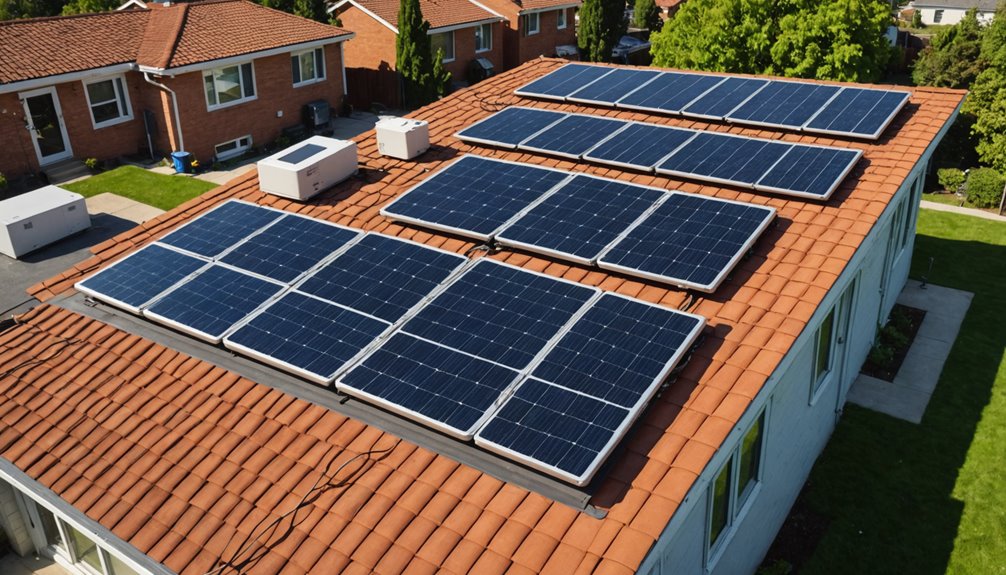
Homeowners who install rooftop solar systems can expect to reduce their electricity bills, though the extent of savings varies based on several key factors. These include geographic location, local electricity rates, household energy consumption, system size, and available financial incentives such as federal tax credits, state rebates, and net metering programs.
In the United States, the federal Investment Tax Credit (ITC) currently allows homeowners to deduct 30% of installation costs from their federal taxes. Combined with state-level incentives and net metering policies, which compensate homeowners for excess electricity fed back into the grid, total savings over a system’s 25-to-30-year lifespan can range from $20,000 to $100,000 depending on the region and local utility rates.
Homes in states with high electricity costs, such as California, Massachusetts, and New York, tend to see greater financial returns compared to those in states with lower utility rates. Similarly, areas with higher solar irradiance generate more electricity, improving the return on investment.
The average installation cost for a residential solar system in the U.S. ranges from $15,000 to $30,000 before incentives. Most homeowners recover this initial investment within 6 to 12 years, after which the system generates electricity at effectively no additional cost.
These figures are based on average consumption patterns and should be evaluated against individual household circumstances before drawing conclusions about projected savings.
How Solar Panels Lower Your Monthly Electricity Bill
Installing solar panels can reduce monthly electricity costs, often beginning in the first billing cycle after installation. A 7.15 kW solar system generates approximately 965 kWh per month, which offsets a portion of household electricity consumption. Net metering programs allow homeowners to send surplus electricity to the grid in exchange for bill credits, reducing overall costs further. Depending on location and applicable state incentives, monthly savings typically fall between $140 and $300. The average payback period for a solar installation is eight to nine years, after which the system continues to generate savings for its remaining lifespan. Based on these figures, homeowners save an average of $1,530 annually over the life of the system, making solar panels a financially viable long-term investment for many households. Homeowners are also eligible for a 30% federal tax credit applied to the total cost of installation, which significantly reduces the upfront financial burden of going solar.
Which Factors: Rates, Roof, and System Size: Shape Your Savings?
Several factors determine the extent to which solar panels reduce electricity costs, including local utility rates, roof characteristics, and system capacity.
Electricity rates directly influence savings potential. In regions where rates are higher, offsetting consumption through solar generation produces greater financial benefit. Conversely, areas with lower utility rates yield more modest reductions in energy expenditure.
Roof characteristics play a functional role in system performance. South-facing roof surfaces with limited shading tend to produce more energy than those with different orientations or significant obstructions. Roof angle and structural condition also affect both energy output and installation feasibility.
System size determines the proportion of household energy demand that solar generation can meet. A system matched to actual consumption patterns is more likely to offset a substantial share of electricity use. Undersized systems will cover less of a household’s needs, while oversized systems may generate more energy than can be used on-site.
Net metering policies, where available, allow homeowners to receive billing credits for electricity fed back to the grid. This mechanism can offset periods of low solar production, such as at night or during extended cloud cover, and influences the overall economic return of a solar installation. The availability and terms of net metering vary by utility provider and jurisdiction, making it a relevant but variable factor in calculating long-term savings.
What’s the Average Annual Savings for Solar Homeowners?
Solar homeowners save approximately $1,530 per year on energy bills, with monthly reductions typically falling between $40 and $125. Over the lifetime of a solar system, total savings generally range from $10,000 to $90,000, depending on local electricity rates and the amount of sunlight a location receives. Homeowners in states with higher electricity costs and greater sun exposure, such as California and Texas, tend to see savings at the higher end of that range.
The average payback period for a residential solar installation is around nine years. Once that threshold is reached, the system continues to produce electricity at no fuel cost for an additional 15 to 20 years, provided standard maintenance is performed. These figures suggest that solar adoption offers a measurable long-term reduction in household energy expenditures for most homeowners, though individual results will vary based on system size, local utility rates, and energy consumption patterns.
How Long Before a Rooftop Solar System Pays for Itself?
For most homeowners, a rooftop solar system reaches its payback period in eight to nine years. This timeframe varies based on local energy rates, system costs, and available incentives. As an example, a $20,000 solar system with $6,000 in incentives and $1,750 in annual savings would reach its payback period in approximately eight years. Beyond that point, the system typically continues to operate for an additional 15 to 20 years, during which utility costs are substantially reduced. Industry data suggests solar panels can deliver an annual ROI of 7% to 10%, positioning them as a financially viable long-term investment when compared to other conventional options.
Do Federal Tax Credits and Incentives Boost Your Savings?
Federal tax credits and incentives can meaningfully reduce the overall cost of solar installations. The federal Investment Tax Credit (ITC) allows homeowners to deduct 30% of solar system costs from their federal taxes, which amounts to approximately $6,000 on a $20,000 system. Additional savings may be available at the state level. In Massachusetts, for instance, a 15% state tax credit applies on top of the federal credit. Some jurisdictions also offer property tax exemptions and cash rebates, which can further reduce the effective cost of installation. When federal, state, and local incentives are combined, estimated lifetime savings on solar investments typically range between $10,000 and $90,000, depending on location, system size, energy consumption, and available incentives. These financial mechanisms can make solar adoption a financially viable option for many homeowners.
How Much Can Homeowners Save by State?
Solar savings differ considerably based on geographic location. California homeowners with solar installations report average monthly savings of $220–$300, while New York residents typically see reductions of $140–$200 per month. Texas and Florida fall within the $180–$250 and $160–$220 monthly ranges, respectively. These variations are largely attributable to differences in state electricity rates, utility rate structures, and net metering policies, all of which directly influence the financial return of a solar system. The national average for annual solar savings stands at approximately $1,530. Understanding your state’s specific regulatory and utility environment is a practical first step in estimating the potential financial impact of a residential solar installation.
How Battery Storage Affects Your Long-Term Solar Savings
Battery storage can extend the financial benefits of a solar panel system beyond what location alone provides. By capturing excess solar energy for use during peak demand periods or grid outages, storage systems reduce reliance on grid-supplied electricity, which directly lowers energy costs. As utility compensation rates and net metering credits have declined in many regions, self-storing excess solar energy offers a more reliable means of offsetting electricity expenses. Research suggests that approximately 60% of U.S. households could achieve cost reductions of around 15% by pairing solar panels with battery storage. The financial case for battery storage is based primarily on its ability to increase the proportion of solar energy consumed directly by the household, reducing the need to purchase electricity from the grid at standard or peak rates. For homeowners evaluating long-term energy costs, battery storage represents a measured addition to a solar system that can improve overall return on investment over time.
How to Calculate Your Solar Savings Using PVWatts and Installer Quotes
Calculating potential solar savings begins with the NREL PVWatts tool, which estimates energy production based on address, system size, and local climate data. A 7.15 kW system typically produces approximately 965 kWh per month, though actual output varies depending on geographic location and site-specific conditions.
Quotes from local solar installers provide more precise figures by accounting for variables such as roof shading, panel orientation, and installation costs. These quotes should be compared against current utility bills to determine realistic payback timelines.
Available tax incentives, including the federal Investment Tax Credit, reduce upfront costs and should be factored into any financial analysis. Financing terms, such as loan payments or lease agreements, affect the net monthly cost and should be evaluated accordingly.
Pairing solar installation with energy efficiency measures can reduce overall household consumption, which improves the financial performance of a solar system over its operational lifespan, generally estimated at 25 to 30 years. Combining data from PVWatts estimates, installer quotes, and applicable incentives provides a reasonable basis for evaluating whether solar installation is financially viable for a given property.