Planning for future solar system expansion requires a structured assessment of several key factors before any additional investment is made. The current condition of your roof, the capacity of your electrical panel, and the layout of your existing system all directly influence how straightforward or costly an expansion will be.
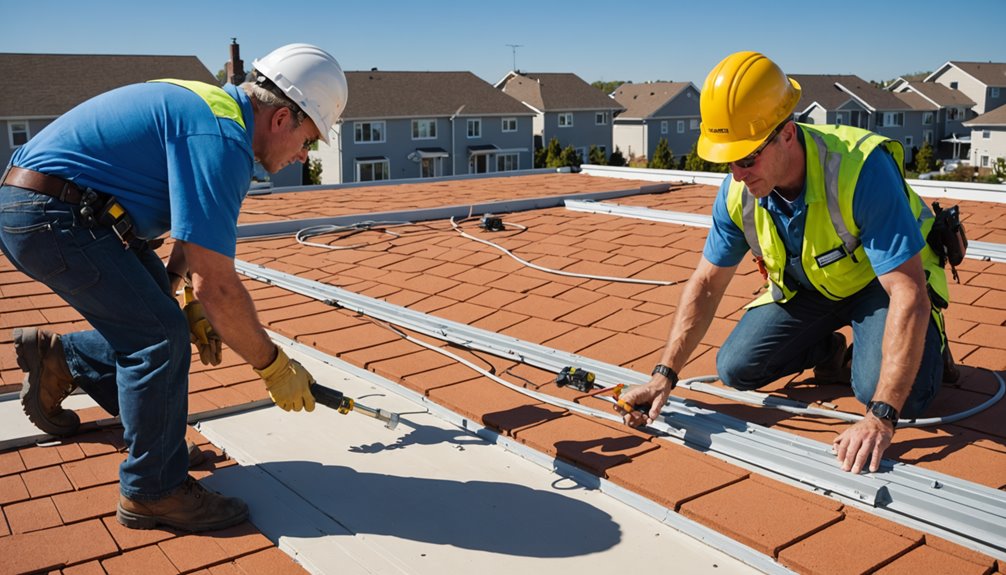
Roof condition and remaining lifespan are primary considerations. Installing additional panels on a roof that will need replacement within five to ten years means the panels will likely need to be removed and reinstalled, adding significant labor costs. A structural assessment at the outset can identify whether reinforcement is necessary to support additional panel weight.
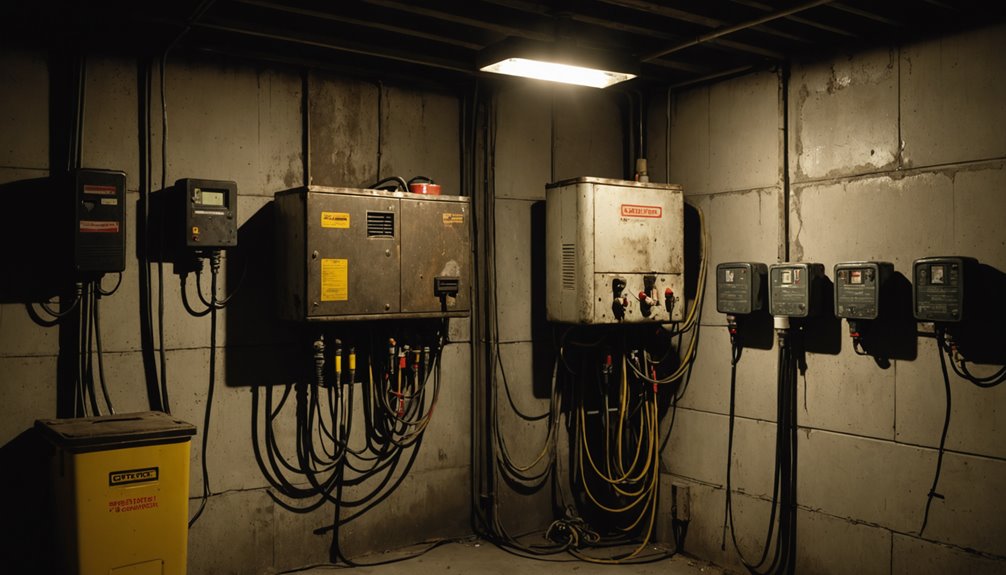
Electrical panel capacity is another critical factor. Many older homes operate on 100-amp panels, which may be insufficient to handle both an expanded solar array and increased home energy demands. Upgrading to a 200-amp panel during initial installation or early in the planning phase is considerably less expensive than returning to make that upgrade later.
Conduit and wiring pathways should also be considered at the planning stage. Running conduit with extra capacity during initial installation allows additional wiring to be added later without the need to open walls or ceilings again.
Finally, the inverter type installed in the original system affects expansion options. String inverters are generally less flexible for incremental expansion compared to microinverters or power optimizers, which allow panels to be added on an individual basis without replacing the core system components.
Is Your Roof Ready for More Solar Panels?
Assessing roof readiness for solar panel expansion requires evaluating several key factors. South-facing roofs with a minimum of 200 square feet of unobstructed surface area are generally considered optimal for solar installation. A roof pitch between 15 and 40 degrees is associated with maximum energy production efficiency.
Structural integrity is a necessary consideration, as the roof must be capable of supporting the additional weight of expanded solar infrastructure. During the construction phase, installing conduit in advance can reduce the complexity of future wiring work and contribute to a cleaner overall installation.
From an electrical standpoint, the existing panel must be capable of accommodating a 40-amp double pole breaker. This requirement is a standard benchmark for determining whether the current electrical system can handle the demands of an expanded solar setup without requiring a full panel upgrade. Well-maintained systems built for expansion are well-positioned to take advantage of the 30% federal tax credit available on solar installation costs.
How to Size Your Electrical Panel for Solar Expansion
Sizing an electrical panel for solar expansion requires careful consideration of several technical factors. A double pole breaker with a minimum 40-amp rating should be positioned opposite the main service feeder to support the backfeed requirements of a solar energy system. The busbar capacity should exceed the main breaker rating to accommodate the additional current that solar generation introduces into the panel.
Adequate physical space near the electrical panel is necessary for components such as inverters and disconnect boxes, which are standard requirements in most solar installations. These spatial considerations should be accounted for during the planning phase rather than after installation begins.
A licensed solar installer or electrician should assess whether the existing electrical service capacity is sufficient to handle the combined load of standard household consumption and solar panel output. This evaluation is a technical requirement, not a precautionary measure, as undersized panels can create safety and operational issues.
Local building and electrical codes typically mandate a formal inspection before and after solar integration. These inspections verify that the panel configuration meets regulatory standards and confirm that the system is safe for grid interconnection. Reviewing applicable local regulations before beginning any solar installation is advisable to avoid compliance issues and installation delays.
Which Battery Storage System Fits Your Setup?
Choosing a battery storage system requires evaluating household energy consumption and compatibility with an existing solar setup. The Tesla Powerwall operates at 92% round-trip DC efficiency and is compatible with most solar energy systems, making it a commonly referenced option. Battery capacity should correspond to actual energy consumption, with most households requiring between 10 and 15 kWh to cover evening usage.
When comparing systems, relevant factors include remote monitoring capabilities and warranty terms. A 10-year warranty is considered standard in the industry. Installation costs can be substantial, and available financial incentives vary by location. A number of states offer rebates that reduce upfront costs, and researching these programs before purchasing can have a measurable impact on the total investment required.
The Right Way to Install a Utility Nook
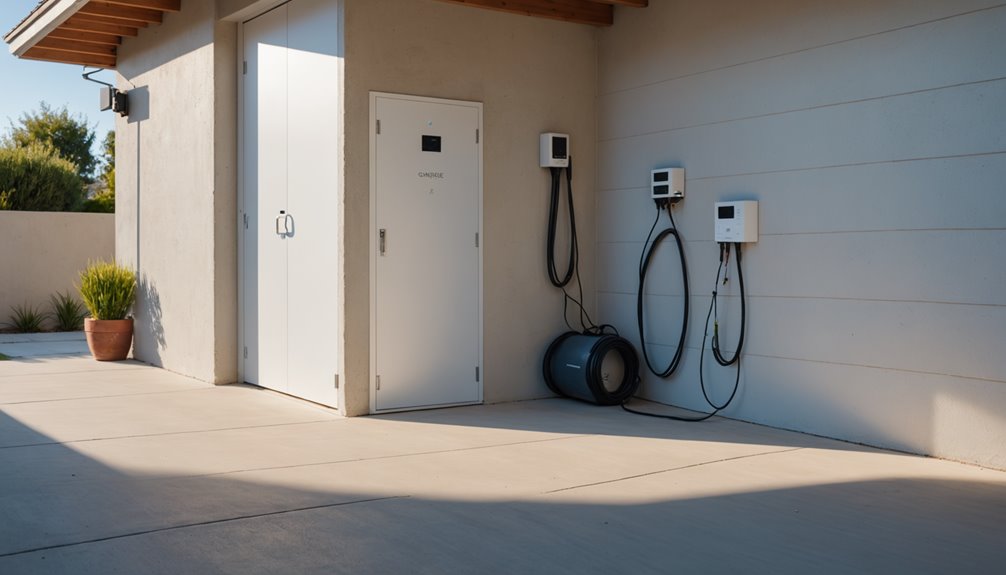
After selecting a battery storage system, the physical installation requires careful planning. Positioning the utility nook adjacent to the electrical panel reduces the length of wiring runs, which lowers material costs and minimizes energy loss through resistance. The space should accommodate current components—batteries, inverters, and associated hardware—while also accounting for potential system expansion.
Adequate ventilation is a functional requirement, not an optional feature. Without sufficient airflow, heat accumulates around battery units and inverters, accelerating component degradation and increasing the risk of equipment failure. Building the ventilation infrastructure into the original design is more cost-effective than retrofitting it later.
Conduit installation during the construction phase serves a practical purpose: it creates a dedicated pathway for solar system wiring that can be accessed or modified without structural disruption. Running conduit retroactively after walls and finishes are in place typically involves greater labor and material costs.
Local building codes govern many aspects of energy storage installations, including spatial requirements, fire separation distances, and approved equipment specifications. Reviewing these regulations before finalizing the design prevents the need for modifications after construction is complete and ensures the installation meets legally mandated safety standards.
How Your Current Load Affects Expansion Sizing
Sizing a solar expansion requires an accurate assessment of current household energy consumption. Reviewing historical energy bills provides data on peak usage periods and overall consumption patterns, both of which are necessary inputs for determining the required system capacity. Future energy demands should also be accounted for, including the addition of electric vehicles or high-draw appliances, as these will increase the load the system must support. On the electrical infrastructure side, the existing panel must be capable of handling the expanded load, with a minimum requirement of a 40-amp double pole breaker. A home energy audit conducted prior to any expansion serves as a practical method for identifying inefficiencies and ensuring the system is appropriately sized for actual demand.
Solar Financing Options for System Upgrades
Solar financing options vary depending on individual circumstances, ownership status, and geographic location. The federal Investment Tax Credit (ITC) allows eligible homeowners to deduct 30% of solar installation costs from their federal tax liability. This credit applies to the system cost and, in some cases, associated installation expenses. It is worth noting that this is a tax credit, not a rebate, meaning it reduces tax owed rather than providing a direct payment.
Solar-specific loans are available through banks, credit unions, and dedicated solar lenders. These loans typically carry fixed interest rates and structured repayment terms, allowing homeowners to spread costs over time while potentially offsetting payments through reduced utility bills. The net financial benefit depends on loan terms, local electricity rates, and system performance.
Some utilities offer rebate programs that can reduce upfront costs, though the availability and value of these programs vary considerably by region and are subject to change as program funding is depleted. Homebuyers financing a property purchase may have access to FHA and Fannie Mae mortgage products that allow solar system costs to be incorporated into the mortgage, subject to standard lending requirements and property eligibility criteria.
The Database of State Incentives for Renewables and Efficiency (DSIRE) provides a searchable, zip code-based resource for identifying state and local incentive programs, including tax credits, rebates, and financing options specific to a given location. Consulting this resource alongside a licensed solar installer and a financial advisor can help homeowners evaluate which combination of financing mechanisms aligns with their specific financial situation.
Incentives and Tax Credits Worth Claiming Now
Available incentives can reduce the overall cost of a solar expansion. The federal Investment Tax Credit (ITC) currently allows homeowners and businesses to claim 30% of solar PV system costs, though its long-term availability depends on congressional action. State-level incentives differ considerably by location, with some utility programs offsetting a portion of installation costs. The DSIRE database allows users to search by zip code to identify applicable state and local programs. Net metering policies, where available, credit solar system owners for excess electricity returned to the grid, which reduces utility bills over time and contributes to the overall return on investment.
What Net Metering Means When You Add More Panels
Net metering is a billing mechanism that allows solar panel owners to send surplus electricity back to the grid in exchange for credits applied to their utility bills. When expanding a solar system, any generation that exceeds household consumption is exported to the grid, and those credits can reduce or offset future electricity costs depending on the utility’s rate structure.
Adding panels to an existing system typically requires updating the interconnection agreement with the local utility. The specific requirements, paperwork, and approval timelines differ by jurisdiction and utility provider, so confirming the local process before proceeding is advisable.
From a technical standpoint, expanding a system requires evaluating whether the existing electrical panel and inverter have sufficient capacity to accommodate the additional output. In some cases, equipment upgrades may be necessary, which should be factored into the overall cost assessment.
The financial benefit of net metering under an expanded system depends on several variables, including the utility’s compensation rate for exported electricity, local electricity prices, and the household’s consumption patterns. During periods of high solar production and lower household demand, a larger system will export more energy, generating more credits. However, the value of those credits is directly tied to how the utility calculates compensation, which can vary significantly and is subject to regulatory change.
How to Track Performance and Plan Your Next Phase
Monitoring a solar system’s performance on a consistent basis allows homeowners to identify inefficiencies and make informed decisions regarding future modifications. Dedicated monitoring tools, including built-in inverter displays or third-party software applications, provide measurable data on energy output and can flag performance deviations that may indicate equipment faults or panel degradation.
Routine maintenance, particularly periodic panel cleaning, is a practical measure for preserving energy production efficiency. Dust, debris, and environmental buildup can reduce panel output, and a regular cleaning schedule helps maintain output closer to rated capacity.
Conducting an energy audit provides a structured assessment of household electricity consumption patterns. This process identifies areas where energy use can be reduced, which in turn affects the sizing and scope of any planned system expansions. Data collected over time on both production and consumption offers a factual basis for evaluating whether adding panels, integrating battery storage, or adjusting load usage is the most practical next step.
Staying informed about updates to government incentive programs and advances in solar technology is also relevant to long-term planning. Policy changes can affect the financial return on additional investments, and emerging technologies may offer more cost-effective options than those available at the time of the original installation. Decisions regarding system expansion are best made using current data on both performance metrics and available support programs.