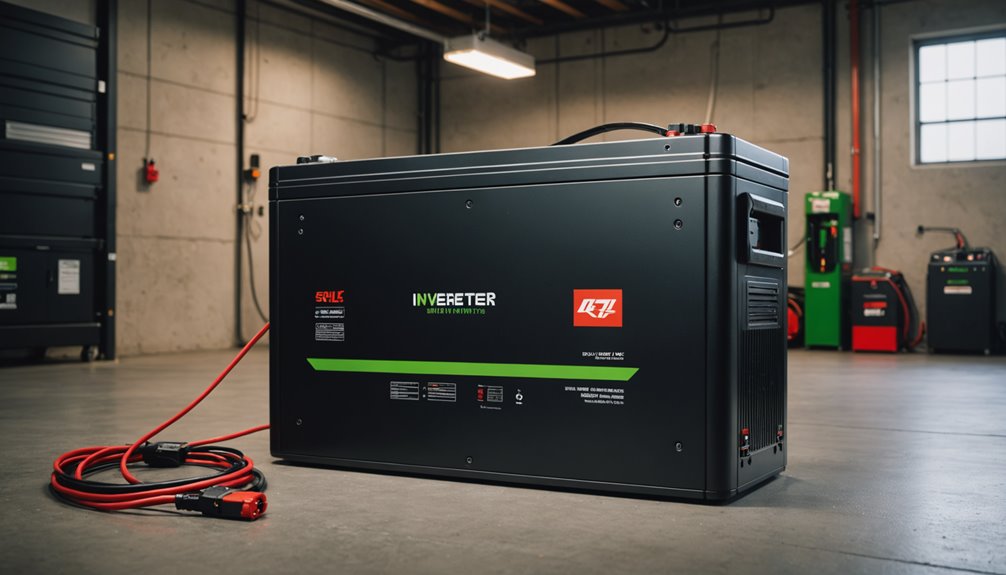
Selecting an inverter battery for residential use requires evaluating several technical and practical parameters. Key considerations include battery capacity measured in ampere-hours, battery type, cycle life, and compatibility with the existing inverter system.
The most common battery types used in home inverter setups are lead-acid, tubular, and lithium-ion. Tubular batteries are widely used in Indian households due to their longer cycle life and better performance under deep discharge conditions compared to standard flat-plate lead-acid batteries.
Lithium-ion batteries, while more expensive upfront, offer higher efficiency, lower maintenance requirements, and a significantly longer lifespan.
Backup duration depends on the battery capacity and the total power load being supported. A higher ampere-hour rating provides longer backup but also increases cost and physical size. Matching battery capacity to actual household load requirements is a more reliable approach than selecting the highest-rated option available.
Maintenance requirements vary by battery type. Flooded lead-acid batteries require periodic water topping, while sealed and lithium-ion variants are largely maintenance-free. This distinction affects long-term ownership costs and convenience.
Warranty terms, brand service networks, and charge-discharge cycle ratings are additional factors worth examining before purchase. These specifications provide a more accurate basis for comparison than marketing descriptions alone.
What Makes a Good Inverter Battery for Home Use?
Selecting an inverter battery for home use requires evaluating several technical and practical considerations.
Battery type is a significant factor. Tubular batteries are commonly used in residential settings due to their structural durability, with an average lifespan of 5 to 8 years under regular use. They are generally well-suited for extended backup requirements.
Capacity, measured in ampere-hours (Ah), determines how long a battery can sustain a given load. A 200Ah battery is appropriate for households with higher energy consumption, though smaller capacities may suffice for moderate needs.
Lithium-ion batteries offer higher efficiency and a longer cycle life compared to traditional lead-acid variants. However, their higher initial cost may be a limiting factor for many households. The choice between the two depends on budget constraints and long-term usage expectations.
Maintenance requirements also influence the decision. Sealed, maintenance-free batteries eliminate the need for periodic water refilling and reduce the risk of acid spillage, which is a practical consideration for typical home environments.
Warranty terms serve as a reasonable indicator of manufacturer confidence in a product. Inverter batteries with warranty coverage of around five years are generally considered more reliable, though actual performance depends on usage patterns and maintenance practices.
Evaluating these factors collectively allows for a more informed purchasing decision based on specific household power requirements.
Flat Plate, Tubular, or Lithium-Ion: Which Type Do You Actually Need?
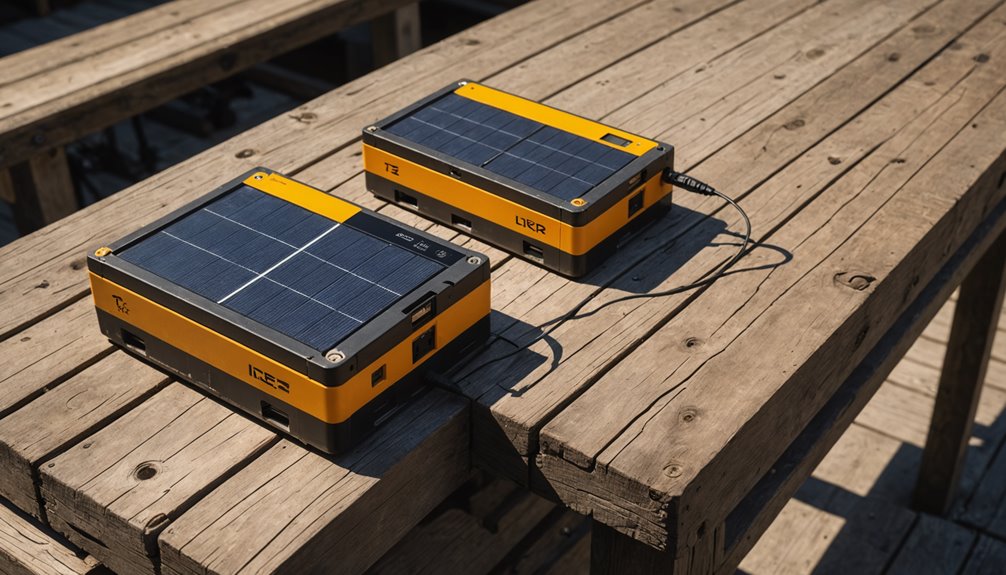
Selecting the appropriate battery type depends on the frequency and duration of power outages in a given location. Flat plate batteries are a cost-effective option for areas with infrequent, short-duration disruptions, with a typical operational lifespan of 3–5 years. Tubular batteries are better suited for regions experiencing prolonged outages, offering a lifespan of 5–8 years and greater overall performance under sustained load. Lithium-ion batteries represent the most practical choice for residential applications where maintenance is a limiting factor, given their durability, efficiency, and absence of routine upkeep requirements. Budget and capacity requirements should be evaluated together, as higher-performing options carry proportionally higher costs. Aligning battery selection with actual usage patterns reduces the likelihood of underperformance or unnecessary expenditure on specifications that exceed practical needs. Homeowners with solar panels can further optimize their setup by ensuring their battery system automatically charges when solar production exceeds home demand, minimizing reliance on the grid and protecting against utility rate increases.
How Much Inverter Battery Capacity Does Your Home Need?
Calculating the appropriate inverter battery capacity for a home requires a systematic approach. The first step involves identifying the total wattage of all appliances intended to run simultaneously during a power outage. Once that figure is established, adding a 20–25% buffer accounts for unanticipated load increases and prevents the system from operating at its maximum threshold continuously.
The standard formula used for this calculation is: Ah = (Wattage × Backup Time) / Battery Voltage. This must also account for inverter efficiency, which typically ranges between 80–90%, meaning the actual capacity requirement will be slightly higher than the raw calculation suggests.
A 150Ah battery is generally sufficient for households with modest power requirements, covering essential appliances such as fans, lights, and a small television for a limited duration. However, homes with higher consumption needs, larger floor areas, or those located in regions prone to extended outages will typically require 200Ah or more to maintain adequate backup time.
It is equally important to ensure that the selected battery capacity aligns with the inverter’s rated capacity. A mismatch between the two can result in either system overload or underutilization, both of which reduce efficiency and long-term reliability. Selecting compatible components based on verified load calculations remains the most reliable method for determining the appropriate ampere-hour capacity for any residential setup.
Which Inverter Batteries Perform Best for Indian Homes in 2025?
Selecting the right inverter battery for an Indian home in 2025 depends on several practical factors, including load requirements, power cut frequency, and maintenance capacity.
Shakti Charge is designed for areas with extended power outages, offering relatively fast recharge times and a 5-year warranty, which reduces long-term replacement costs. Luminous Red Charge Pro and Neo Charge are both engineered for low-maintenance operation and efficient charging cycles, making them practical options for standard residential use where regular upkeep may be limited.
Inverlast is structured to handle consistent performance across mild-to-heavy load conditions, making it suitable for homes with moderate to high power consumption. Ultra Charge uses tubular plate technology, which generally supports longer backup durations and extended battery life compared to flat-plate alternatives.
When evaluating options, it is advisable to assess your home’s average power load in watts, the typical duration of outages in your area, and whether the installation environment allows for adequate ventilation, as tubular batteries tend to generate more heat. Matching battery capacity and technology type to actual usage patterns, rather than maximum specifications alone, typically results in more reliable and cost-effective performance over time.
Does Your Inverter Battery Match Your Inverter’s Voltage and Load?
Matching an inverter battery to an inverter requires attention to two primary technical factors: voltage compatibility and load capacity.
Voltage alignment is a fundamental requirement. A 12V inverter must be paired with a 12V battery. Operating with mismatched voltage ratings results in reduced system efficiency and potential damage to both components.
Load calculation is equally important. The total wattage of all connected appliances must fall within the inverter’s continuous power rating. To determine the required battery capacity in ampere-hours, the following formula applies:
Ah = (Wattage × Backup Duration) / Battery Voltage
The calculated result should be treated as a minimum threshold rather than a target figure. Appliances such as refrigerators and air conditioners generate startup surges that temporarily exceed their rated wattage, so selecting a battery with capacity marginally above the calculated value provides a necessary operational buffer.
Ongoing voltage monitoring and routine maintenance are standard requirements for sustaining system performance over time. Neglecting these practices reduces battery lifespan and increases the likelihood of system failure during critical load periods. Consistent maintenance checks allow for early identification of performance degradation before it affects overall reliability.
How Long Will Your Inverter Battery Last Before Replacement?
How long an inverter battery lasts depends primarily on its chemistry. Lead-acid batteries typically have a service life of 3–8 years, while lithium-ion batteries generally last beyond 10 years. Cycle life is a relevant factor — lithium-ion batteries are rated for over 2,000 charge cycles, which makes them a practical choice for solar power systems that require frequent and consistent cycling. Lead-acid batteries require routine maintenance, including monitoring electrolyte water levels, to prevent sulfation and avoid premature capacity loss. Operating conditions also influence longevity — batteries stored and used in cooler, lower-humidity environments tend to degrade more slowly than those exposed to heat and moisture. Accounting for these variables allows for more accurate replacement planning and better overall return on the initial battery investment.
What Should You Check Before Buying an Inverter Battery?
Before purchasing an inverter battery, several technical and practical factors warrant careful evaluation. Battery type is a primary consideration — tubular batteries generally offer a longer service life compared to flat plate batteries, making them a more durable option in most use cases. The Ampere-hour (Ah) rating should align with the inverter’s capacity requirements, with higher Ah ratings supporting longer backup durations.
Warranty terms serve as a reliable indicator of manufacturer confidence in the product’s quality and longevity. Charging efficiency and time should also be assessed, as poor efficiency can lead to overheating and accelerated battery degradation. Voltage compatibility between the battery and inverter is a non-negotiable technical requirement, and mismatches can result in operational failure or safety hazards.
Maintenance requirements vary across battery types. Flooded lead-acid batteries require periodic water top-ups and terminal cleaning, while sealed or maintenance-free variants reduce that burden at a typically higher upfront cost. Understanding these demands in advance allows for a more accurate assessment of long-term ownership costs and effort involved.
How Do You Make Your Inverter Battery Last Longer?
Inverter battery lifespan depends largely on consistent maintenance practices. Regular upkeep helps sustain optimal performance over time.
Terminal maintenance is essential. Corrosion buildup on terminals increases resistance and reduces efficiency, so periodic cleaning and application of a protective lubricant is recommended.
For flooded lead-acid batteries, distilled water levels should be checked every few months. Low water levels expose internal plates, accelerating degradation and reducing battery capacity.
Adequate ventilation in the battery storage area is necessary to dissipate heat and prevent the accumulation of hydrogen gas, which is produced during charging.
Routine voltage monitoring allows for early detection of performance issues, including undercharging or overcharging, both of which shorten battery life.
Depth of discharge (DoD) is a key factor in battery longevity. Keeping DoD below 50% during regular use reduces the strain placed on battery cells during each cycle, which translates directly into a higher number of usable charge cycles over the battery’s lifetime. Consistently deep-discharging a battery accelerates capacity loss and shortens its operational lifespan.
Adhering to these maintenance practices supports longer battery service life and maintains reliable inverter performance.