After installing solar panels in California, homeowners must navigate a structured inspection process governed by local building departments and the utility company. California requires both a building inspection and a utility interconnection review before a system can operate legally.
The building inspection typically verifies that the installation meets structural and electrical code requirements, including compliance with California’s Title 24 energy standards and the California Electrical Code. An inspector will examine mounting hardware, wiring, conduit placement, and panel labeling. Any deficiencies identified during this stage must be corrected before approval is granted.
Following building approval, the utility company conducts its own review to confirm the system meets interconnection requirements under Rule 21, California’s standard for connecting distributed energy systems to the grid. This process includes verifying that the inverter is on the approved equipment list and that the system size aligns with what was permitted.
Preparation before the inspection reduces the likelihood of delays. This includes ensuring all components match the approved permit drawings, verifying that required labels and signage are properly placed, and confirming that system documentation is accessible on-site.
Timelines vary by jurisdiction. Some counties and municipalities process inspections within a few days, while others may take several weeks depending on workload and the completeness of the permit application.
Understanding the specific requirements of the local authority having jurisdiction, as well as the relevant utility, is necessary for an efficient approval process.
Why Solar Panel Inspections Work Differently in California
California’s solar panel inspections differ from those in other states due to several regulatory requirements. The California Energy Commission requires that all installations align with approved plans and comply with utility interconnection standards. Applicable building and electrical codes in California are generally more stringent than those found in most other states.
Local jurisdictions introduce additional compliance requirements, which can result in multiple inspection stages, particularly for ground-mounted systems. During these inspections, officials assess structural integrity, wiring configurations, and mounting systems to confirm both operational performance and safety compliance.
These inspection standards reflect California’s broader regulatory framework for renewable energy, which prioritizes consistent system performance and adherence to applicable codes and standards.
What to Prepare Before Your Solar Inspection Appointment
Before your solar inspection appointment, several key steps should be completed to ensure a smooth review process. First, identify the Authority Having Jurisdiction (AHJ) for your installation area, as this body determines which local building codes and regulations apply to your system. Next, confirm that all approved plans and required permits are finalized, including any interconnection permits issued by your utility provider. Have printed copies of your approved plans available, and document any on-site modifications that deviate from the original submission. Verify that all electrical components align with the compliance standards specified in your approved plans. Scheduling the inspection in advance allows for coordinated visits from both the AHJ and the utility provider, reducing the likelihood of delays that could affect system activation and the collection of performance data.
What Solar Inspectors Check on Your Panels, Wiring, and Roof
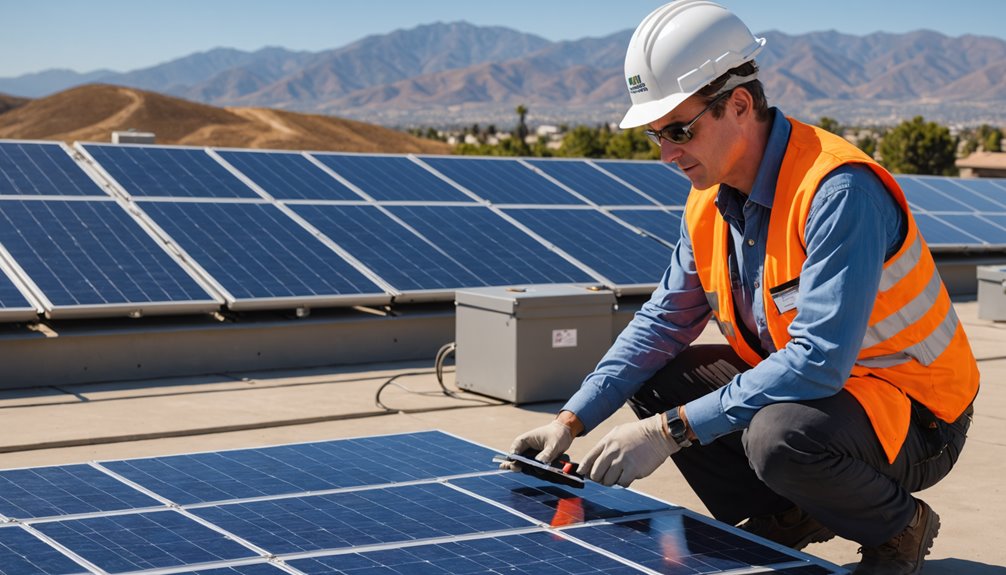
Solar inspections cover four primary components: panels, wiring, roof structure, and safety systems. Inspectors assess panels for physical damage, including cracks or degradation that reduce energy output. Electrical connections are evaluated for appropriate wire gauge, secure fittings, and adherence to applicable safety codes. Roof integrity is examined by reviewing mounting hardware and penetration points for signs of water intrusion or structural compromise. Safety systems, including grounding mechanisms and disconnect switches, are verified against current electrical standards. Energy production data is also reviewed, with actual output measured against projected performance metrics to identify inefficiencies or operational deficiencies within the system. A well-maintained residential solar system is designed to last over 25 years, making routine inspections essential for preserving long-term performance and protecting your investment.
How to Fix Solar Inspection Failures and Schedule a Re-Inspection
When a solar inspection fails, reviewing the inspector’s report in full is the necessary first step to identifying all deficiencies before beginning any corrective work. Inspection failures typically result from non-compliance with local building or electrical codes, incorrect component installation, or absent safety features required by applicable regulations.
Each corrective action taken should be documented with specificity, including the nature of the deficiency, the corrective measure applied, and the date of completion. This documentation serves as a factual record that supports the re-inspection process and provides the inspector with clear evidence of compliance efforts.
Scheduling the re-inspection requires direct coordination with the Authority Having Jurisdiction. Confirming the re-inspection date in advance and ensuring all corrections are completed before that date reduces the likelihood of further delays. Submitting incomplete work to re-inspection prolongs the approval timeline and may result in additional fees depending on the jurisdiction.
Consulting with the original solar installation company can be useful when deficiencies relate to technical installation standards, as they carry responsibility for the quality of their work and are familiar with the specific system components involved.
Addressing all items identified in the inspector’s report, rather than selectively correcting only the most apparent issues, is the most reliable approach to achieving approval at re-inspection. Partial corrections frequently result in continued non-compliance and additional inspection cycles.
How to Get Your Solar System Turned On After Passing Inspection
After a solar system passes inspection, the utility company must issue Permission to Operate (PTO) before the system can be legally activated. This requires submitting all relevant inspection documentation to the utility provider in a timely manner, as delays in paperwork can extend the activation timeline.
Once PTO is granted, the system can be switched on. At this stage, activating the monitoring system allows for tracking energy output and identifying any performance irregularities from the outset. Consistent communication with the solar installation provider during this period can help address technical questions or concerns that may emerge after activation.
Retaining copies of all inspection records is advisable, as this documentation serves as a reference for warranty claims and may be required if performance issues or disputes arise in the future.