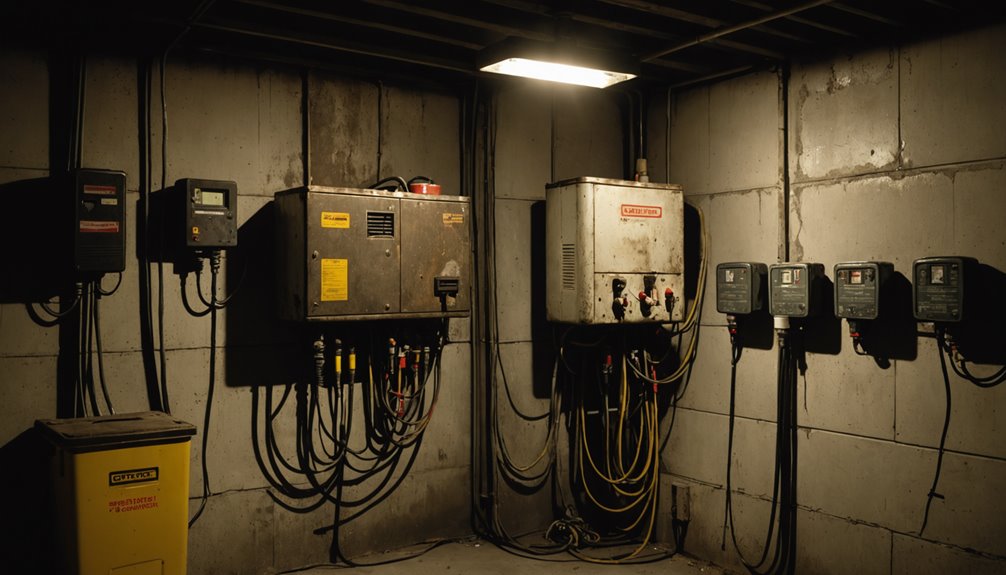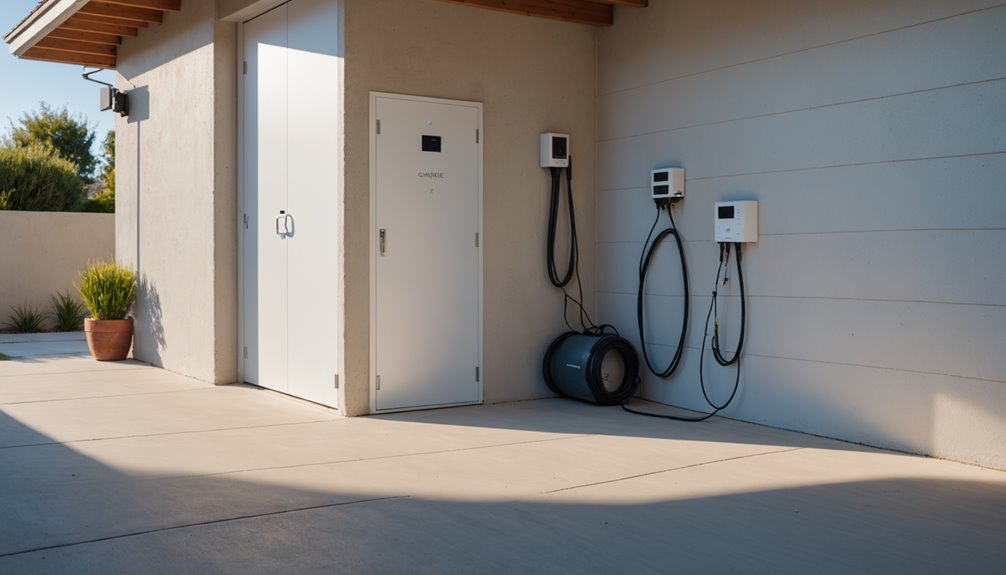
Homeowners with battery backup systems benefit from routine monitoring to ensure reliable performance and longevity. Key metrics worth tracking include state of charge, cycle count, depth of discharge, and operating temperature. Most modern systems provide this data through a manufacturer app or web portal.
Alerts can be configured for conditions such as abnormal discharge rates, temperature thresholds, or sustained low charge levels. Addressing these early typically prevents more significant degradation or failure.
Consistent habits—such as avoiding frequent deep discharges, keeping the battery within its recommended temperature range, and scheduling periodic capacity tests—contribute meaningfully to system lifespan.
Lithium-ion home batteries, for example, generally perform best when kept between 20% and 80% charge during regular use.
Neglecting monitoring does not immediately compromise most systems, but undetected issues such as cell imbalance or thermal stress can accumulate over time, reducing both capacity and reliability.
Reviewing system logs and performance data on a monthly basis provides sufficient oversight for most residential installations.
Why Your Home Battery Backup System Needs Regular Monitoring
Regular monitoring of a home battery backup system is a necessary practice for maintaining operational efficiency and longevity. The Battery Management System (BMS) collects critical data on battery performance, but this data requires consistent review to be actionable. Tracking discharge cycles and energy usage patterns allows for early identification of performance degradation before it becomes a functional issue. The State of Health (SoH) metric, in particular, provides measurable indicators of battery capacity loss over time. Without periodic assessment of this data, gradual deterioration may go unnoticed until the system fails to meet basic power requirements. A functional monitoring setup provides access to real-time performance data, which supports informed decisions regarding maintenance schedules and potential component replacement. Systematic monitoring also contributes to extending the operational lifespan of the battery by enabling timely interventions based on documented performance trends rather than reactive responses to failures. Homeowners who work with NABCEP certified installers benefit from professional oversight that includes post-installation monitoring to ensure the system continues to perform reliably over time.
SoC, SoH, and DoD: The Battery Metrics That Actually Matter
Understanding three core metrics—State of Charge (SoC), State of Health (SoH), and Depth of Discharge (DoD)—provides a useful framework for evaluating battery system performance. SoC measures the remaining usable capacity at any given point, while SoH indicates how much total capacity a battery retains relative to its original rated capacity. Limiting DoD to 80% or below in lithium-ion batteries has been shown to reduce capacity degradation over time. Monitoring these metrics supports more informed battery management decisions, particularly in avoiding overcharging and excessive discharge cycles, both of which contribute to reduced battery longevity. Consistent tracking of these values can inform energy usage decisions and help assess the long-term value of a home battery system.
Apps, Software, and Hardware Tools for Battery Monitoring
Selecting appropriate tools for battery monitoring depends on the specific metrics being tracked and the system in use. Battery monitoring applications provide real-time data on energy consumption, discharge cycles, and overall battery condition. Software solutions such as PowerPanel Battery Management enable remote interaction with a Battery Management System (BMS) and can be configured to generate alerts when performance falls outside defined parameters. Keeping monitoring software updated through regular firmware releases helps maintain measurement accuracy and compatibility with connected hardware. On the hardware side, voltage probes and temperature sensors offer direct measurement of key performance indicators at the component level. For installations integrated with home automation systems, battery health data can be routed into a centralized dashboard, allowing for consolidated oversight alongside other monitored systems.
How to Set Up Notifications So You Catch Problems Early
Setting up notifications within a Battery Management System (BMS) requires attention to several key parameters. Configure alerts for voltage thresholds, temperature ranges, and State of Charge (SoC) deviations, as these metrics directly indicate operational abnormalities that may require intervention.
State of Health (SoH) monitoring should also be enabled, as gradual capacity loss can go unnoticed without dedicated alerts. Declining SoH values signal battery degradation over time, which affects the system’s ability to maintain adequate backup capacity.
Notification delivery methods, such as email or SMS, ensure that alerts reach responsible personnel without delay. The chosen method should align with response protocols and the urgency level assigned to each alert type.
Performance dashboards and mobile applications provide supplementary visibility by aggregating data trends, making it easier to identify patterns that individual alerts may not capture.
Periodic review of notification configurations is necessary to confirm that alert thresholds remain appropriate as system conditions evolve and that no settings have been inadvertently disabled or altered. Without consistent verification, gaps in monitoring can allow malfunctions to persist undetected.
What the Numbers on Your Home Battery Dashboard Actually Mean
Home battery dashboards display several metrics that reflect system performance and condition. Understanding each one supports more effective energy management.
State of Charge indicates the percentage of energy currently available in the battery. State of Health measures the battery’s remaining capacity relative to its original rated capacity, providing a baseline indicator of degradation over time and informing decisions about maintenance or replacement.
Voltage readings serve a diagnostic function. Irregular voltage values can point to cell imbalances or thermal issues that may require attention before they affect system reliability.
Power output is measured in watts and reflects the real-time electrical demand of connected appliances. Monitoring this figure helps identify consumption patterns and assess whether the battery is being drawn down faster than intended.
Temperature is a critical operational variable. Most home energy storage systems perform within their rated specifications at temperatures between 20°C and 25°C. Sustained operation outside this range can accelerate capacity degradation and, in extreme cases, create safety concerns. Many systems include built-in thermal management, but ambient conditions around the battery unit still warrant monitoring.
Taken together, these metrics give homeowners a factual basis for assessing both short-term energy availability and long-term battery condition.
Why Heat and Humidity Quietly Destroy Battery Health
Heat and humidity are two of the most significant environmental factors affecting battery longevity and performance. Temperatures exceeding 40°C accelerate internal chemical reactions, which gradually reduces capacity and degrades overall performance over time. Humidity introduces moisture to terminal connections, leading to corrosion that weakens electrical conductivity and compromises battery integrity, often before any visible signs appear.
The recommended operating temperature range for most batteries falls between 20°C and 25°C. Conditions outside this range place measurable stress on battery components. Without adequate ventilation and climate control measures, environmental conditions can exceed safe thresholds, compounding degradation over time.
Routine monitoring allows for early detection of temperature and humidity fluctuations, enabling corrective action before significant damage occurs. Maintaining appropriate environmental conditions is a practical and necessary component of battery management, directly influencing service life and operational reliability.
Deep Discharges and Charging Habits That Shorten Battery Life
Charging and discharging behavior significantly affects battery lifespan. Deep discharges, which occur when a battery is drained to very low charge levels, accelerate electrochemical degradation within the cells. Research consistently shows that maintaining a State of Charge between approximately 20% and 80% reduces cell stress and slows capacity loss over time.
Setting minimum reserve thresholds prevents full depletion, which is one of the more damaging conditions for lithium-based batteries. Similarly, regularly charging to 100% and holding at that level generates excess heat and voltage stress that contribute to long-term capacity fade. Most battery management systems allow users to configure upper and lower charge limits to stay within this recommended range.
Tracking discharge cycles through available monitoring tools or software dashboards can help identify usage patterns that fall outside optimal parameters. Adjusting daily charging routines based on this data, such as avoiding overnight full charges or limiting deep discharge events, supports more consistent battery performance and extends the functional service life of the system.
How to Tell If Your Home Battery Backup System Is Underperforming
Identifying underperformance in a home battery backup system requires monitoring several measurable indicators. State of Health is a primary metric — values below 80% suggest meaningful capacity degradation that may compromise the system’s ability to meet demand during an outage. A related indicator is usable capacity: if the battery consistently stores less energy than its rated specification, degradation is likely occurring.
Charging behavior also provides useful diagnostic information. Delays in reaching full charge, or discharge rates faster than the system’s rated output under normal load conditions, indicate a potential performance deficit. These patterns can often be observed through the system’s monitoring interface or accompanying software.
Voltage readings outside the manufacturer’s specified range are another measurable concern. Persistent deviations may point to cell-level issues within the battery or faults in the associated electronics. Similarly, recurring interruptions to power supply during normal operating conditions — outside of deliberate grid interaction or scheduled maintenance — may indicate faults within the battery management system.
Regular review of these parameters, using data from the system’s monitoring tools where available, provides a more reliable basis for identifying underperformance than waiting for a visible failure. Manufacturers typically publish expected performance thresholds in product documentation, which serve as a useful reference for comparison against observed system behavior.
When to Call a Professional for a Battery Inspection
Several indicators suggest that a home battery backup system requires professional inspection rather than owner-based troubleshooting. Reduced storage capacity, extended charging times, and diminished voltage output are measurable performance changes that warrant scheduling a formal evaluation. Unexpected system shutdowns similarly require diagnostic assessment by a qualified technician.
Monitoring application alerts should not be dismissed, as they typically reflect data collected from sensors tracking actual system conditions. Visible corrosion on battery terminals presents both a safety concern and a performance issue, as it can impede electrical conductivity and accelerate component deterioration.
Addressing these conditions in their early stages generally limits the scope of required repairs and reduces the likelihood of broader system failure. A licensed technician has the tools and training to accurately diagnose underlying causes and implement appropriate corrective measures.
How to Keep Your Home Battery Warranty From Being Voided
Scheduling professional inspections helps maintain both system performance and warranty validity. The Battery Management System (BMS) requires consistent maintenance in accordance with manufacturer specifications, as deviating from these guidelines can result in voided coverage. Repairs should be carried out by authorized technicians, since unauthorized modifications to battery cells can create safety risks and may disqualify warranty claims. Maintaining detailed service records of all inspections and repairs is also advisable, as manufacturers typically require this documentation to validate claims. Adhering to recommended maintenance protocols supports warranty compliance and can contribute to a longer battery lifespan.