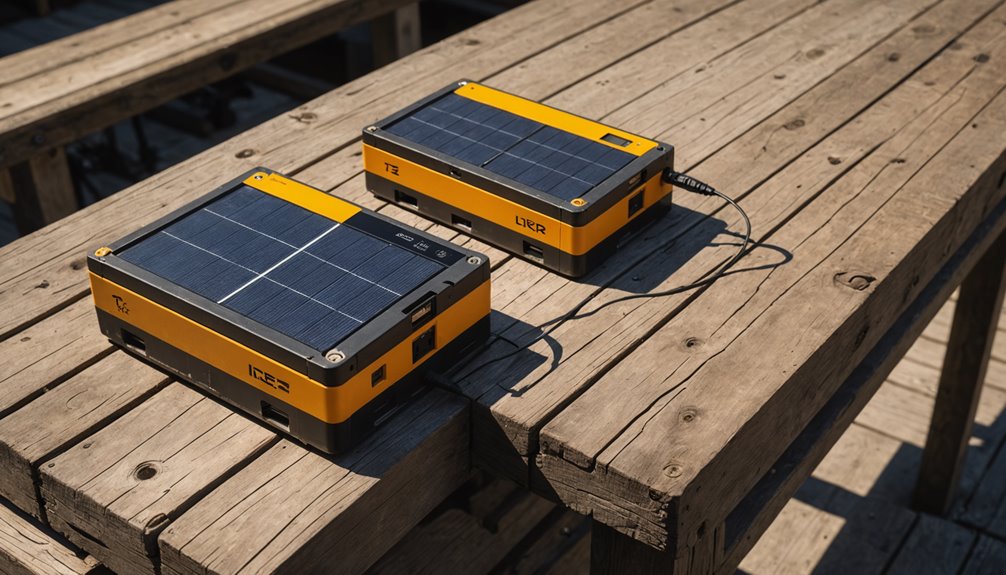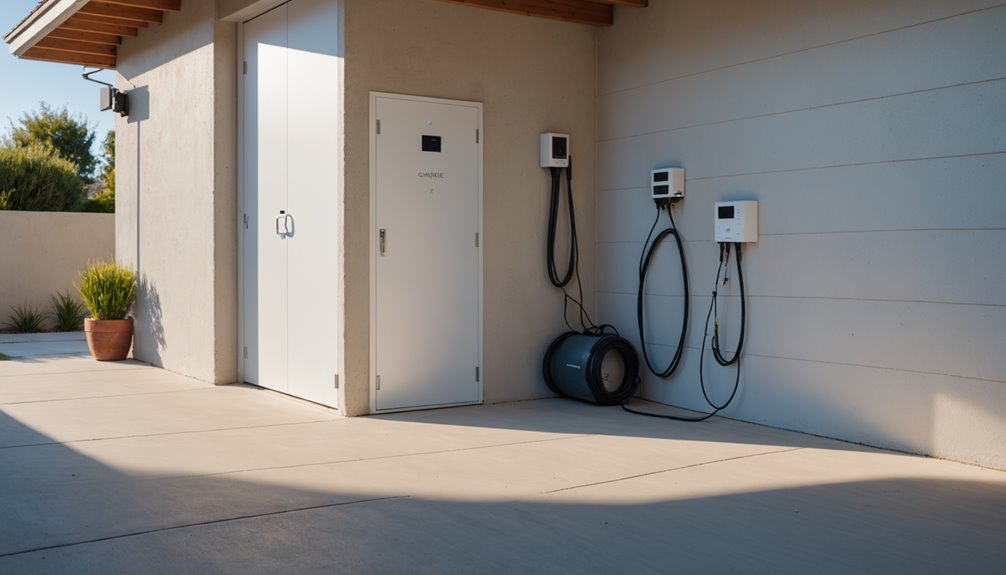
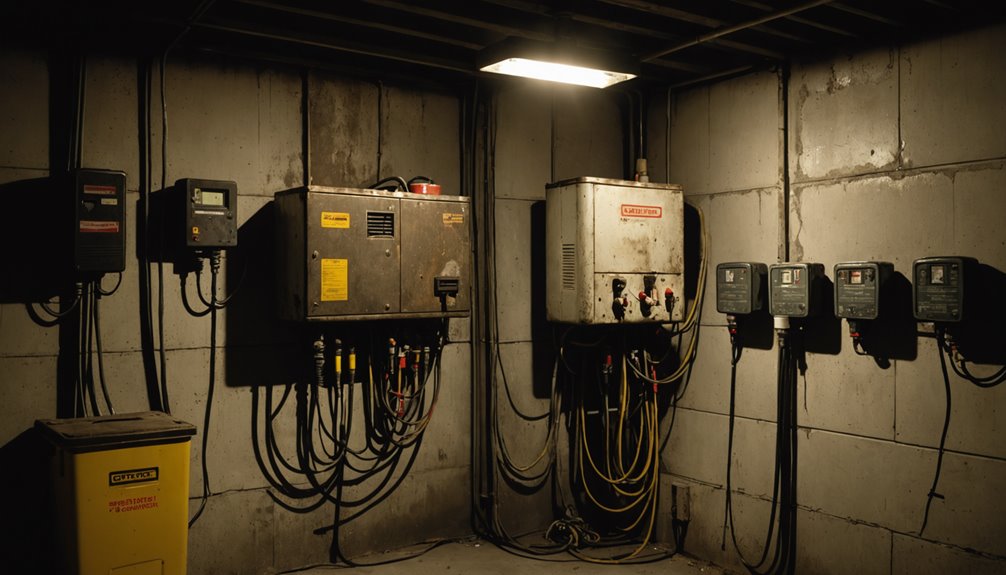
Home battery systems have a finite operational lifespan, typically ranging from 10 to 15 years depending on the technology and usage patterns.
As these systems age, performance indicators begin to decline in measurable ways. Reduced storage capacity, longer charging cycles, and inconsistent power output are among the most documented signs of system degradation.
Homeowners who monitor these changes systematically are better positioned to schedule timely replacements rather than responding to failures after the fact.
Understanding the specific technical thresholds that signal meaningful decline is essential for making informed maintenance and upgrade decisions.
Your Battery Can’t Hold a Charge Like It Used To
A home battery system that can no longer hold a charge to its original capacity is a reliable indicator that replacement should be considered. Reduced runtime and shortened solar energy backup duration are common symptoms of capacity degradation. Industry standards generally suggest that once a battery’s usable capacity falls below 70–80% of its original rated specification, replacement is warranted to maintain reliable performance.
Lithium-ion batteries, which are widely used in residential energy storage systems, typically experience measurable performance decline after 10–15 years of regular use. This decline results from electrochemical processes that occur over repeated charge and discharge cycles, gradually reducing the battery’s ability to store and deliver energy efficiently.
A battery that consistently fails to reach a full state of charge despite sufficient solar energy input reflects chemical degradation within the cells themselves. This is distinct from temporary performance variation caused by temperature or load conditions. When this pattern becomes consistent, it indicates the battery has reached the end of its functional service life and can no longer operate within acceptable performance parameters. Upgrading to a modern system can restore your home’s ability to achieve energy independence while protecting against rising utility costs and ensuring reliable backup power during grid outages.
Your Battery Isn’t Keeping the Lights On During Outages
When a home battery system fails to maintain power during grid outages, this typically indicates significant capacity degradation. Research and manufacturer guidelines generally suggest that once a battery falls below 70-80% of its original capacity, it can no longer reliably sustain household power demands during outages.
Several measurable indicators point to battery replacement needs. Recurring inverter errors suggest internal communication or hardware failures that compromise system reliability. Physical changes such as swelling or electrolyte leakage indicate chemical degradation that poses both performance and safety concerns. Appliances shutting down before the battery reaches its expected discharge threshold signal that usable capacity has declined meaningfully.
Charging behavior also provides diagnostic value. A battery that consistently fails to reach full charge, despite sufficient solar input, may have developed internal resistance or cell imbalance issues that limit its storage potential.
These indicators, taken together, suggest the battery is no longer performing within functional parameters. Addressing them with replacement or professional evaluation helps maintain the reliability of the broader solar energy system.
Your Home Battery System Can’t Keep Up With New Appliances
Household energy demands have increased significantly with the adoption of high-consumption appliances such as electric vehicles and central air conditioning systems. A home battery system sized or designed for older consumption patterns may prove insufficient for these modern loads, regardless of whether the battery itself has degraded.
Several indicators suggest a capacity mismatch rather than simple battery failure. Inconsistent voltage output, frequent system overloads, and longer-than-expected charging cycles can point to a system that is undersized relative to current demand. These performance issues are distinct from degradation-related problems and require a different approach to resolve.
Lead-acid battery systems present an additional technical limitation in high-demand environments. These batteries are not well-suited to deep discharge cycles, and repeated deep cycling accelerates capacity loss and shortens overall lifespan. This makes them a less practical choice for households with variable or high energy consumption.
Lithium-ion battery systems offer measurable advantages in this context. They tolerate deeper discharge cycles with less long-term impact on capacity, maintain more consistent voltage output under load, and generally offer higher energy density. These characteristics make them better suited to homes with elevated or variable power demands.
When evaluating whether to upgrade a home battery system, it is worth considering both current consumption levels and anticipated future demand, particularly if additional high-draw appliances are likely to be added. A professional load assessment can provide an accurate baseline for determining appropriate system capacity.
Recharge Times Are Taking Longer Than They Should
Prolonged recharge times relative to manufacturer specifications indicate a potential issue within a home battery system. In lead-acid batteries, this symptom frequently corresponds to increased internal resistance, a condition that becomes more common as the battery ages. In lithium-ion systems, recharge cycles extending beyond the typical 4-8 hour range may suggest charger incompatibility or a malfunction within the battery management system.
When a solar battery consistently fails to reach full capacity despite adequate solar input, this pattern suggests measurable degradation in battery health rather than an external energy supply problem. Monitoring systems designed to track charge cycle data can identify these trends over time, providing quantifiable evidence to support maintenance or replacement decisions before the system reaches the point of complete failure.
Your System Shows Error Codes or Shuts Down Unexpectedly
Error codes and unexpected shutdowns are diagnostic indicators that the battery system has detected a fault requiring investigation. Common causes include thermal irregularities, internal cell degradation, or communication failures within the battery management system. Inverters, which typically operate for 8–12 years before requiring replacement, should be evaluated as a potential source of inefficiency when these issues arise. Low-voltage warnings and elevated self-discharge rates are measurable indicators of battery degradation and should not be disregarded. Repeated shutdowns can also reduce overall energy output, which may result in increased costs over time. A professional inspection is recommended to identify the root cause and determine whether repair or replacement is the appropriate course of action.
Overheating or Strange Noises During Operation
Overheating and unusual noises during battery system operation are indicators of potential internal issues that warrant prompt investigation. Overheating typically points to internal short circuits or elevated resistance levels, both of which present measurable safety concerns for energy storage systems. Sounds such as hissing or bubbling generally indicate chemical or pressure-related anomalies within the battery cells, which can deteriorate further without corrective action.
Repeated overheating events have a documented negative effect on battery lifespan and overall operational efficiency. Regular performance monitoring allows for earlier detection of these developing issues, reducing the likelihood of more significant failures. Proper installation procedures and routine maintenance practices are established methods for minimizing the occurrence of such problems.
When issues persist despite standard maintenance efforts, battery replacement may be the most practical and reliable course of action to maintain system safety and consistent performance.
Your Solar Battery Is Simply Too Old to Keep Up
Solar batteries typically have a lifespan of 10–15 years, depending on the chemistry and usage conditions. As lithium-ion batteries age, their capacity retention declines, often falling below 70–80% of the original rated capacity. At this threshold, the battery may no longer deliver sufficient power during outages or periods of high demand.
Degradation also contributes to increased self-discharge rates, meaning the battery loses stored energy more rapidly when idle. This is a measurable indicator of declining cell health. Battery management systems and monitoring tools can track these efficiency losses over time, providing data points such as state of health, cycle count, and discharge curves that help assess performance objectively.
A consistent pattern of reduced runtime under comparable load conditions is a reliable indicator that the battery is approaching the end of its functional life. Waiting until the battery fails completely can result in unplanned downtime during periods when backup power is needed. Evaluating replacement options before the battery reaches complete failure allows for planned installation and avoids gaps in energy availability. If a battery is approaching or has exceeded its expected service life, assessing its current performance metrics against original specifications provides a factual basis for determining whether replacement is warranted.