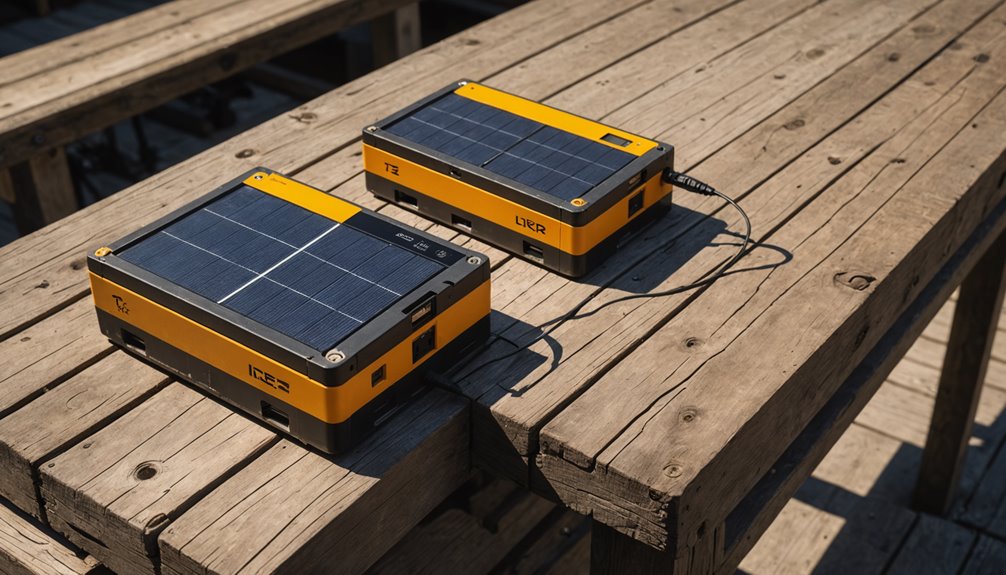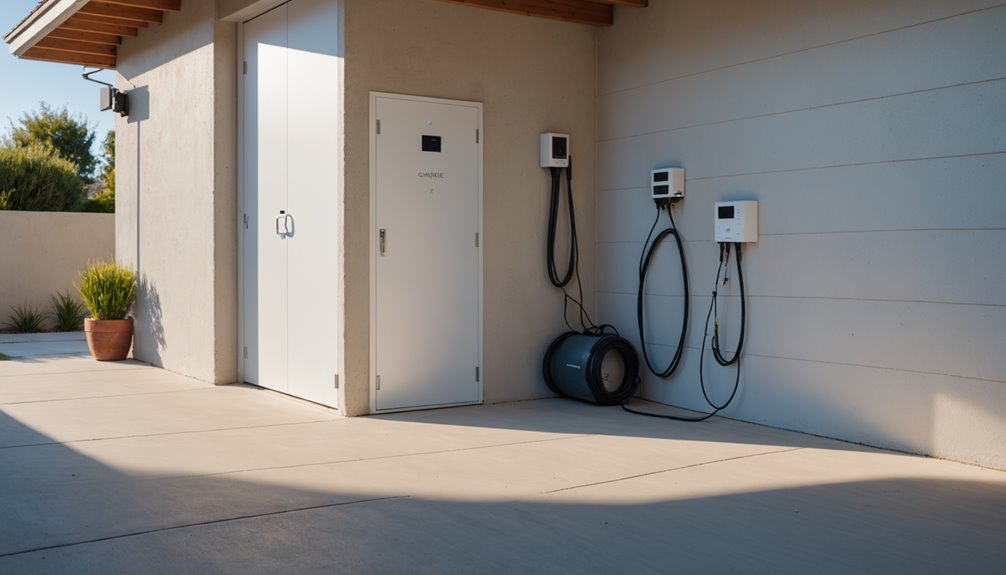

A home battery backup system stores electricity for use when the grid is unavailable or when energy prices are at their highest. These systems typically pair with solar panels, though they can also charge from the grid during off-peak hours. Understanding the practical benefits and limitations of this technology can help inform a purchasing decision.
Grid outages, whether caused by severe weather, infrastructure failures, or planned utility maintenance, can disrupt daily life and damage sensitive electronics. A battery backup system provides a reliable power source during these interruptions, reducing dependence on the utility grid.
Many utility providers use time-of-use pricing, meaning electricity costs more during periods of high demand. A battery system can store power when rates are low and discharge it during peak hours, potentially reducing monthly energy bills. The actual savings depend on local utility rates and usage patterns.
For households with solar installations, a battery system allows stored solar energy to be used after sundown, increasing the overall efficiency of the solar investment. Without storage, excess solar energy is typically sent back to the grid, often at rates lower than retail electricity prices.
The upfront cost of a home battery system remains a significant consideration. Units from major manufacturers range from several thousand to over ten thousand dollars, depending on capacity and installation requirements.
Federal tax incentives and state-level rebates may offset a portion of this cost. Calculating the payback period based on local energy rates and usage is a practical step before committing to a purchase.
What a Home Battery Backup System Actually Does
A home battery backup system stores electricity for use when primary power sources are unavailable or less cost-effective. These systems can capture surplus electricity generated by solar panels, which would otherwise be fed back to the grid, and reserve it for periods of low solar output, such as nighttime or overcast conditions.
During grid outages, a battery backup system can supply power to connected appliances, depending on the system’s capacity and the energy demands of the household. The duration and scope of this backup power vary based on battery size and consumption levels.
Some systems are designed to charge during off-peak hours when electricity rates are lower, which can reduce energy costs over time. The actual savings depend on local utility rate structures and individual usage patterns.
Many modern battery systems include energy management software that monitors and adjusts power distribution based on consumption data. The effectiveness of these features depends on the quality of the system and how well it integrates with existing home infrastructure.
From an environmental standpoint, battery systems that store solar-generated electricity can reduce reliance on grid power, which in many regions still includes electricity produced from fossil fuels. The overall environmental impact depends on factors such as the local energy mix and the battery’s full production and disposal lifecycle.
Homeowners looking to offset installation costs may benefit from federal tax credits and state incentive programs that are often available for qualifying battery storage systems.
Reliable Power When the Grid Goes Down
Home battery backup systems are designed to switch automatically to stored power when the grid becomes unavailable, maintaining electricity supply to essential appliances, lighting, and services such as Wi-Fi and refrigeration. The duration of backup power depends on factors including battery capacity, the number of connected devices, and overall household energy consumption.
These systems can store energy from either solar panels or the electrical grid, providing a reserve that functions independently of external power infrastructure. This design allows households to maintain basic operations during outages that may range from a few hours to several days, depending on usage and system specifications.
From a practical standpoint, battery backup systems reduce dependence on utility grid reliability, which can be affected by severe weather events, equipment failures, or demand overloads. Rather than relying solely on grid availability, homeowners with battery storage have a measurable degree of energy independence during disruptions.
It is worth noting that the effectiveness of these systems is directly tied to proper sizing and installation. A system that is undersized relative to household energy demands will not sustain all intended appliances for extended periods. Consulting with a qualified installer and conducting an energy audit beforehand are advisable steps for determining appropriate system capacity.
Lower Electricity Bills With Smarter Energy Timing
Home battery systems can reduce monthly electricity costs through strategic energy management. Under time-of-use billing structures, storing electricity during off-peak periods and drawing from reserves during peak hours can meaningfully lower consumption charges. When combined with solar installations, battery systems allow households to retain excess generated power rather than exporting it to the grid, which is particularly useful in regions where net metering compensation rates are unfavorable.
Studies suggest these combined approaches can reduce energy costs by up to 40%, though actual savings vary based on local utility rates, household consumption patterns, and system capacity. The federal Investment Tax Credit currently allows homeowners to deduct 30% of qualifying installation costs, which reduces the net upfront expenditure and shortens the payback period for the overall investment.
Make the Most of Your Solar Investment
Pairing a battery system with solar panels allows homeowners to store excess energy rather than returning it to the grid, where compensation rates may be unfavorable. Home battery storage systems retain surplus electricity for use during evening hours or periods of low solar generation, such as overcast days. Research published in Applied Energy in 2021 indicates that solar-plus-storage configurations can reduce grid dependence by up to 84%. These systems also include energy monitoring capabilities that track real-time consumption, supporting more informed energy management decisions. Under current federal policy, battery storage installations qualify for a 30% tax credit, which can meaningfully offset upfront costs and contribute to the long-term financial performance of the overall system.
Earn Money Back Through Virtual Power Plant Programs
Virtual Power Plant (VPP) programs allow homeowners with battery storage systems to discharge stored energy back to the grid during periods of peak demand. In exchange, participants typically receive financial incentives such as bill credits or direct payments from their utility provider. This arrangement serves a functional purpose for grid operators, as aggregated residential batteries can help balance load distribution and reduce strain on the broader energy network during high-demand periods.
The financial returns from VPP participation vary depending on the utility program, geographic location, and frequency of grid events that trigger discharge requests. Some programs have demonstrated annual earnings in the range of several hundred dollars per household, though actual results depend on program-specific terms and local energy market conditions.
As residential battery storage becomes more widespread, utility companies and program administrators have expanded VPP offerings in several markets. Policy developments and grid infrastructure needs in certain regions have also contributed to increased program availability. However, participation requirements, battery compatibility, and program availability differ significantly by location and utility provider.
For homeowners already investing in battery storage, VPP enrollment can represent an additional financial consideration worth evaluating alongside existing energy goals, provided the program terms align with their usage needs and the battery system meets eligibility requirements.
What Does a Home Battery Backup System Cost in Texas?
Understanding the costs involved is a key part of deciding whether a home battery backup system is appropriate for your household. In Texas, installation costs typically start around $10,000. Adding a battery to an existing solar system generally costs between $12,000 and $22,000, while a complete solar-plus-storage system ranges from $25,000 to $35,000. Homeowners may reduce expenses through federal tax credits of up to 30% on qualifying energy storage systems that meet minimum battery capacity requirements. Based on current pricing and energy cost data, the average payback period is estimated at approximately 11 years, which may represent a viable long-term investment for some Texas households depending on individual energy usage and financial circumstances.
How Tax Credits and Financing Reduce the Upfront Cost
The upfront cost of a home battery backup system can be reduced through federal and state incentives. The federal Residential Energy Credit provides a 30% tax credit on energy storage systems, which directly offsets the total investment. Additional state-level incentives may reduce costs further, potentially bringing a 10 kWh system to a range of $7,500–$13,000 after applicable credits. For homeowners who prefer to avoid large initial expenditures, financing options such as leasing agreements or installment payment plans distribute the cost over an extended period. Participation in Virtual Power Plant programs may also generate financial returns by allowing utilities to draw on the stored energy during periods of high demand. Taken together, these financial mechanisms can make home battery systems accessible to a broader range of homeowners.
How Home Battery Backup Systems Compare to Generators
When choosing between a home battery backup system and a generator, each option presents distinct trade-offs worth considering. Home battery backup systems operate quietly and integrate with solar energy systems, storing excess energy for use during power outages without requiring manual intervention. Generators, by contrast, rely on fuel, produce emissions, and require hands-on operation to function. Lithium-ion battery systems typically have a lifespan of 15–20 years, which generally exceeds that of most conventional generators. Battery systems may also be eligible for virtual power plant programs, which allow participants to sell stored energy back to the grid during periods of peak demand, potentially generating financial incentives. Generators do not offer this capability.
Is a Home Battery Backup System Right for You?
Deciding whether a home battery backup system is a suitable investment depends on several factors, including energy needs, location, and financial circumstances. For households with solar panels, a battery system allows excess energy to be stored and used during peak evening hours, which can reduce utility costs. These systems also provide a degree of energy independence and maintain power supply during grid outages.
Installation requirements vary depending on the system and property, and costs can be substantial. However, financial incentives, such as the 30% federal tax credit available in the United States, can offset the initial expense. The overall return on investment depends on local electricity rates, frequency of power outages, and how consistently the system is used.
For those prioritizing lower utility bills, grid independence, or reduced carbon emissions, a home battery backup system may be a practical long-term option. However, the decision warrants careful consideration of upfront costs, expected savings, and whether local conditions, such as frequent outages or high electricity rates, justify the investment.