
Selecting the right inverter battery requires careful consideration of several technical and practical factors. Power outages create genuine disruption, and an inadequately chosen battery compounds that disruption rather than resolving it. The decision involves evaluating capacity requirements, battery chemistry, load calculations, and total cost of ownership over the product’s lifespan.
Many buyers focus primarily on upfront price, overlooking factors such as standby power consumption, maintenance requirements, and cycle life. These elements directly affect long-term performance and overall expenditure.
Accurately calculating household load requirements, including appliances that draw power continuously in standby mode, determines the minimum battery capacity needed to sustain essential functions during an outage. Underestimating this figure results in premature battery depletion and potential equipment damage.
Understanding the distinction between battery types, including lead-acid, tubular, and lithium-ion variants, allows for a more informed comparison of performance characteristics, maintenance demands, and cost implications across different usage scenarios.
Hidden Loads That Drain Your Inverter Battery Faster
Hidden loads are a common but underappreciated factor in inverter battery performance. Devices such as televisions, phone chargers, and routers draw small but continuous amounts of power even when not in active use. These standby or phantom loads accumulate over time and can meaningfully reduce the total backup duration an inverter battery provides.
High-surge appliances present a separate concern. Refrigerators, air conditioners, and motor-driven equipment draw significantly more current during startup than during normal operation. This surge places additional strain on the battery, reducing its effective runtime and, over repeated cycles, contributing to faster capacity degradation.
Understanding these load patterns is relevant to both system sizing and battery maintenance. A battery rated for a specific backup duration may underperform if the connected load profile includes multiple phantom draws or frequent high-surge events. Accurate load assessment during system planning can help avoid this discrepancy.
Practical steps to address hidden loads include identifying devices that consume standby power and disconnecting them when not needed. Using power strips with individual switches can simplify this process. Periodically reviewing the total connected load against the battery’s rated capacity also helps ensure the system operates within its designed parameters.
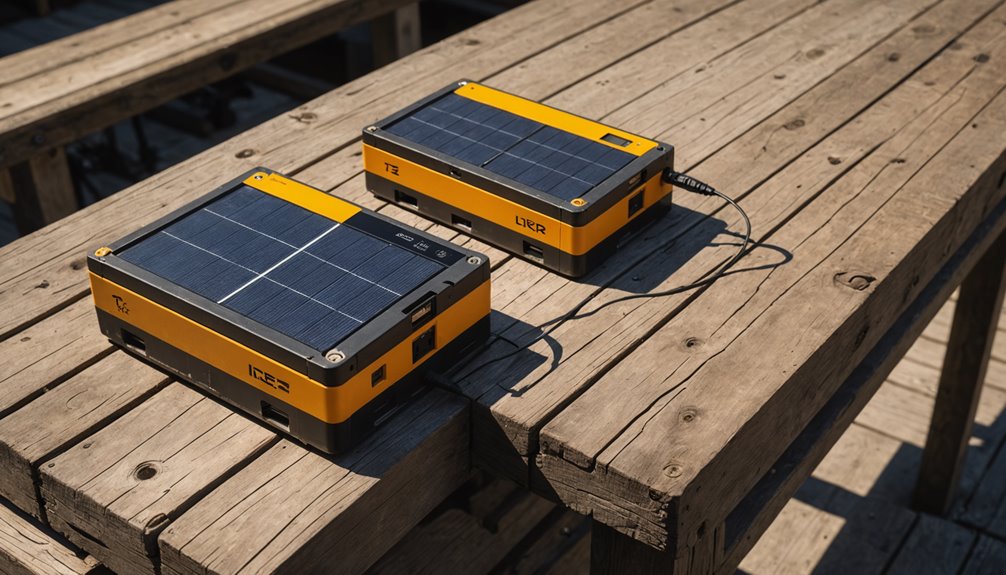
Managing hidden loads does not eliminate battery wear, but it reduces unnecessary energy consumption, which supports longer backup times and extends the functional service life of the battery. Homeowners who pair their inverter battery with solar panels benefit from a system that automatically charges when production exceeds home demand, helping to offset energy lost to hidden loads throughout the day.
Calculate Your Home’s Power Load Before You Buy
Determining the correct inverter battery for a home requires calculating the total power load before making a purchase. This involves identifying all appliances that will operate during a power outage and recording their individual wattage ratings. Common household loads include lighting, fans, and other essential devices.
To calculate total power consumption, add the wattage of all appliances intended for use during an outage. As a reference point, two 60W lights and one 70W fan produce a combined load of 190W.
Converting this figure to a VA rating requires dividing the total wattage by a power factor, which typically falls between 0.7 and 0.8 for most residential applications. Using these values, a 190W load translates to approximately 238–271 VA. Selecting an inverter with a VA rating marginally above the calculated figure helps prevent system overload and accounts for minor variations in actual power consumption.
The required battery capacity, measured in ampere hours (Ah), depends on the desired backup duration. The calculation involves dividing the total watt-hours needed by the battery voltage, adjusted for efficiency losses. Using an inverter battery calculator can simplify this process and produce more precise results based on specific usage patterns and backup time requirements. Accurate load calculation at this stage directly influences the suitability and long-term performance of the selected inverter battery.
Inverter Battery Types and What Each One Is Actually Good For
Selecting the appropriate battery type for an inverter system depends on outage frequency, available maintenance capacity, installation environment, and budget constraints.
Flat plate batteries are suited for areas that experience short and infrequent power interruptions. They carry a lower upfront cost but require periodic electrolyte top-ups to maintain performance and longevity.
Tubular batteries are designed for deep-cycle use, meaning they can discharge to lower charge levels repeatedly without significant degradation. This makes them a practical choice in regions where power cuts are frequent or extended in duration.
Sealed maintenance-free batteries eliminate the need for electrolyte monitoring and are appropriate for enclosed or poorly ventilated spaces where venting flooded batteries would present a safety concern.
Lithium-ion batteries offer a longer operational lifespan, typically up to ten years, along with faster charge acceptance rates. The trade-off is a higher initial purchase cost, though total cost of ownership over the battery’s lifespan can be competitive depending on usage patterns.
Regardless of battery type, capacity measured in ampere-hours determines how long the system can sustain a given load during an outage. Sizing the battery bank based on actual connected load requirements rather than estimated or maximum load figures is necessary to ensure adequate backup duration without over-investing in unused capacity.
How Waveform Type Affects Your Inverter Battery’s Performance
The waveform type produced by an inverter has a measurable effect on battery performance and overall system efficiency. Pure sine wave inverters generate output that closely replicates utility-grade alternating current, which reduces electrical stress on connected devices and minimizes energy conversion losses. Modified sine wave inverters, while generally less expensive, produce a stepped approximation of a sine wave that introduces harmonic distortion. This distortion causes certain appliances to draw more current than necessary, which increases heat generation and places additional discharge demands on the battery over time.
Devices such as laptops, refrigerators, and medical equipment typically require stable, clean power to operate within their designed efficiency parameters. When powered by a modified sine wave inverter, these devices may experience reduced operating efficiency, which translates to higher energy consumption and accelerated battery depletion. Pure sine wave inverters reduce these inefficiencies by delivering consistent voltage and frequency output.
Selecting an inverter with the appropriate waveform type relative to the connected load is a practical consideration for maintaining battery health. Operating a battery under conditions of excess current draw or elevated heat shortens its service life and reduces its effective capacity over repeated charge cycles. Matching waveform quality to load requirements is therefore a relevant factor in system design, alongside battery capacity and inverter sizing.
Tubular vs Flat Plate vs Lithium-Ion: Which Battery Wins?
Inverter battery selection depends on three primary factors: chemistry, construction, and application requirements.
Tubular batteries are designed for deep discharge cycles and typically last between 5 and 8 years. Their construction supports sustained high-load performance, making them a practical choice where power outages are frequent and energy demand is significant.
Flat plate batteries carry a lower upfront cost but have a shorter operational lifespan of 3 to 5 years. They are generally adequate for households with infrequent power cuts and moderate energy consumption. The reduced cost comes with trade-offs in durability and discharge capacity.
Lithium-ion batteries offer higher energy density, longer cycle life, and require no regular maintenance. Their lifespan can extend up to 10 years under normal operating conditions. These characteristics make them compatible with solar energy systems and smart home infrastructure, where efficiency and system integration are priorities.
Each battery type carries distinct cost and performance trade-offs. Tubular batteries represent a mid-range balance between cost and durability. Flat plate batteries suit low-demand scenarios where minimizing initial expenditure is the primary concern. Lithium-ion batteries involve a higher upfront investment but offer lower long-term operational costs due to reduced maintenance and longer service life.
The appropriate choice depends on the frequency of power outages, energy load requirements, budget constraints, and whether the system will be integrated with renewable energy sources.
How to Match Inverter Battery Capacity (Ah) to Your Backup Needs
Determining the appropriate inverter battery capacity requires a systematic calculation based on actual power consumption and desired backup duration. The core formula involves multiplying total appliance wattage by the required backup hours, then dividing by the system voltage (typically 12V). As a practical illustration, a 200W load requirement over 5 hours produces a baseline figure of approximately 83Ah.
This baseline figure, however, should not be treated as the final specification. Battery systems operate below theoretical efficiency due to factors such as internal resistance, temperature variations, and conversion losses. A practical buffer of 10–20% above the calculated baseline accounts for these inefficiencies and extends the functional service life of the battery.
Surge current requirements represent another variable that affects capacity decisions. Many appliances, particularly those with electric motors, draw significantly higher current during startup than during steady-state operation. Failing to account for these peak demand periods can accelerate battery discharge and reduce overall system reliability.
Battery type selection also influences effective capacity. Different chemistries — including flooded lead-acid, AGM, gel, and lithium-ion — have varying depth-of-discharge thresholds, charge retention characteristics, and cycle lifespans. A battery rated at a given Ah may not deliver its full rated capacity under all discharge conditions, making it necessary to cross-reference manufacturer specifications against actual usage patterns before finalizing a purchasing decision.
How Long Does an Inverter Battery Last : and What Shortens It?
Inverter battery lifespan varies primarily based on battery chemistry and usage conditions. Lead-acid batteries typically last 3–5 years, while lithium-ion batteries offer a longer service life of 6–10 years under comparable conditions.
Several factors contribute to premature battery degradation. Repeatedly discharging below 50% capacity places measurable stress on battery cells, reducing the total number of viable charge cycles. Elevated ambient temperatures accelerate the chemical aging process and diminish overall performance capacity. Overcharging, particularly when using chargers not matched to the battery’s specifications, causes internal component damage over time. Inconsistent or improper charging practices further compound this deterioration.
Routine maintenance practices extend operational lifespan. For lead-acid batteries specifically, monitoring and maintaining appropriate electrolyte levels is a necessary step in preserving battery health. Keeping batteries within recommended temperature ranges and using compatible charging equipment also limits avoidable wear. These measures collectively reduce the rate of capacity loss and extend the period of reliable operation.
UPS or Inverter Battery: Which Setup Makes Sense for Your Home?
Choosing between a UPS and an inverter depends on specific household requirements. A UPS provides instantaneous power switching, which helps protect sensitive electronics such as computers and routers from disruptions during outages. However, its backup capacity is limited, typically ranging from 20 to 30 minutes, and its battery undergoes more frequent charge cycles, which can reduce overall battery lifespan.
An inverter system, when paired with an appropriate inverter battery, is designed to support longer backup durations and can power multiple household appliances simultaneously. In terms of long-term costs, inverter setups generally require less frequent battery replacement and tend to have lower maintenance demands compared to UPS units.
For households that experience frequent or extended power outages, an inverter battery system is generally the more practical option due to its longer runtime and cost efficiency over time. A UPS, by contrast, is better suited for environments where brief, uninterrupted power is needed to allow for safe shutdown of electronics rather than sustained operation.
The Real Cost of Owning an Inverter Battery Over Time
Inverter battery costs extend beyond the initial purchase price. Lead-acid batteries typically have shorter operational lifespans, which results in more frequent replacement cycles and higher cumulative expenditure over time. Lithium-ion batteries carry a higher upfront cost but generally last up to 10 years, which can reduce long-term spending when calculated across the full ownership period.
Maintenance practices also affect total cost. Lead-acid batteries require regular upkeep, and neglecting this accelerates degradation, leading to earlier replacement and additional expense. Lithium-ion batteries, by contrast, require comparatively less routine maintenance.
Warranty terms are another relevant factor. Batteries backed by comprehensive warranties reduce the financial exposure associated with premature failure or performance issues. Evaluating warranty coverage alongside product quality provides a more accurate picture of long-term value.
A cost-effective decision requires assessing total cost of ownership rather than purchase price alone. This includes factoring in replacement frequency, maintenance requirements, warranty coverage, and expected lifespan. Comparing these variables across battery types allows for a more informed and financially sound purchasing decision.
Maintenance Habits That Extend Your Inverter Battery’s Lifespan
Consistent maintenance practices can meaningfully extend the operational lifespan of inverter batteries. For lead-acid batteries, periodic topping up with distilled water helps maintain electrolyte levels, while cleaning terminals and applying a protective lubricant reduces corrosion buildup. Adequate ventilation in the storage area limits heat accumulation and prevents the concentration of gases produced during charging cycles. Regular voltage monitoring allows for early identification of cell degradation or load management issues before they become significant problems.
For lithium-ion batteries, maintaining charge levels between 20% and 80% is a documented method for reducing electrochemical stress on battery cells, which contributes to longer cycle life. This practice is supported by battery research indicating that sustained exposure to very high or very low charge states accelerates capacity loss over time.
Routine inspection and monitoring across both battery types allow users to detect performance issues at an early stage, enabling corrective action before further deterioration occurs. These maintenance measures collectively support sustained battery performance and reduce the likelihood of premature replacement.