
Battery energy storage systems (BESS) are used across a range of applications, from individual households to large-scale utility operations. Understanding where and how these systems are deployed can help inform decisions about energy management and infrastructure planning.
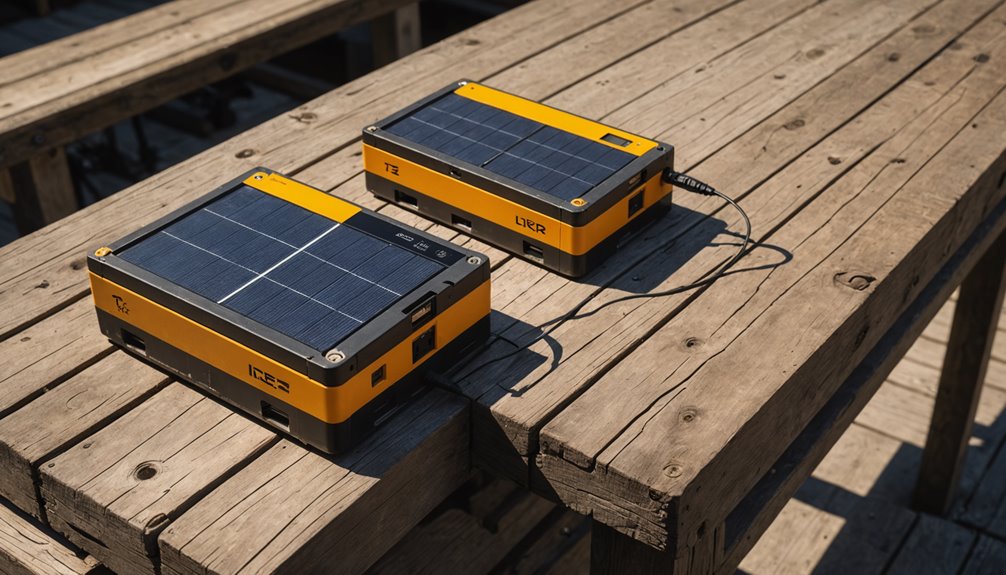
In residential settings, BESS units are commonly paired with solar panels to store excess energy generated during daylight hours for use during the evening or during grid outages. This reduces dependence on grid-supplied electricity and provides a degree of energy security.
Commercial and industrial facilities use battery storage to manage peak demand charges, which are fees utilities impose based on the highest level of power consumption recorded during a billing period. By discharging stored energy during high-demand intervals, businesses can reduce these charges and lower overall operating costs.
At the utility scale, BESS installations support grid stability by providing frequency regulation, voltage support, and load balancing. They also enable greater integration of intermittent renewable energy sources, such as wind and solar, by storing surplus generation and dispatching it when output falls below demand.
Additional applications include microgrids, where battery storage allows isolated communities or facilities to operate independently from the main grid.
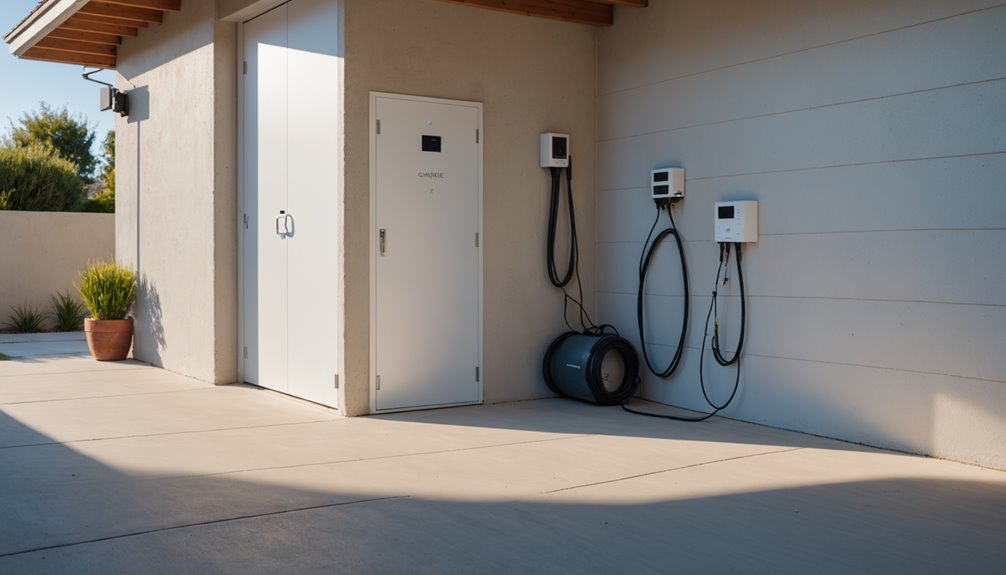
Electric vehicle charging infrastructure is another area where storage buffers high-power charging loads to avoid straining distribution networks.
Each application involves specific technical and economic considerations. The suitability of a BESS solution depends on factors such as capacity requirements, discharge duration, response time, and local energy pricing structures.
What Is a Battery Energy Storage System?
A Battery Energy Storage System (BESS) is a technology designed to store electricity in rechargeable battery modules. It operates through key components, including a Battery Management System (BMS), which monitors and regulates battery performance, and a Power Conversion System (PCS), which handles the conversion between AC and DC electricity.
BESS installations vary in scale, ranging from small residential backup units to large utility-scale systems. These systems serve several functions within the broader energy infrastructure. They store electricity during periods of low demand and discharge it during peak demand, helping to balance grid loads. This capability also supports the integration of renewable energy sources, such as solar and wind, which generate electricity intermittently. For homeowners, these systems provide instant power during outages without requiring any manual reset, ensuring continuous electricity availability regardless of grid conditions.
How BESS Works
A BESS charges by drawing electricity from the grid or a renewable energy source, converting and storing it chemically within battery modules. A battery management system continuously monitors key parameters such as temperature, voltage, and state of charge to maintain safe and efficient operation across both charging and discharging cycles. When electricity demand increases, the stored energy is converted back into AC power through a power conversion system and discharged to the connected load or grid. Energy management software controls the timing of these discharge cycles based on demand signals, energy pricing, or grid conditions. BESS units can be deployed alongside renewable energy sources to compensate for intermittent generation or operated independently to provide backup power and load management. In both configurations, the system functions to align electricity supply with demand, reducing strain on the grid and maintaining power availability during periods of high consumption or supply disruption.
Which Battery Types Are Used in Energy Storage Systems?
Battery selection for energy storage systems depends on the specific technical and economic requirements of the application. Lithium-ion batteries are the most widely deployed option, largely due to their high energy density and strong charge-discharge efficiency. Lead-acid batteries, while older in design, continue to serve effectively in backup power and off-grid applications where cost and reliability are primary concerns. Flow batteries are suited for large-scale and long-duration storage, as their capacity can be adjusted by modifying electrolyte volume, which makes them a practical option for grid-level renewable energy integration. Sodium-based batteries present a lower-cost alternative for large-scale storage, drawing on more abundant raw materials compared to lithium. Solid-state batteries demonstrate improved safety characteristics and energy performance relative to conventional lithium-ion designs, though high manufacturing costs and limited production scale currently restrict their broader deployment. Each battery type carries distinct trade-offs in terms of cost, energy density, cycle life, and scalability, and these factors should be evaluated against the specific requirements of the intended application.
The Most Common BESS Applications
Battery energy storage systems are deployed across several distinct sectors, each with specific operational requirements. In residential settings, homeowners use BESS primarily to reduce electricity costs and maintain backup power, often in combination with rooftop solar installations. Commercial and industrial users apply these systems for demand response and peak shaving, which reduces exposure to high electricity tariffs during periods of elevated consumption. Microgrids, whether in remote locations or urban districts, depend on energy storage to balance variable supply and demand while maintaining operational continuity during grid disruptions. At the utility scale, grid operators use BESS to store excess renewable energy and stabilize frequency and voltage during periods of peak demand. Electric vehicle charging networks represent an additional application, where storage systems help manage sudden load increases and reduce strain on local grid infrastructure.
Which BESS Scale Fits Your Project?
Selecting the appropriate BESS scale requires careful consideration of energy requirements, budget constraints, and intended application. Residential systems are designed for homeowners seeking backup power and solar energy optimization. Commercial and industrial systems address peak demand management for businesses. Community-scale systems serve neighborhoods that share grid services and infrastructure. Utility-scale installations support the integration of large-scale renewable energy sources into existing grid infrastructure. Grid-scale systems handle capacities ranging from hundreds of MWh to several GWh, supporting broader grid stability and reliability. Defining energy objectives at the outset of a project allows for a more accurate assessment of which BESS scale offers the most practical and cost-efficient solution.
How BESS Cuts Costs, Emissions, and Grid Dependence
Battery Energy Storage Systems (BESS) offer several measurable advantages related to cost management, emissions reduction, and grid independence. By discharging stored energy during peak demand periods, operators can reduce their exposure to time-of-use pricing and demand charges, which are typically higher during periods of elevated grid stress. This practice can lower electricity costs depending on the applicable rate structure and local utility policies.
When paired with renewable energy sources such as solar or wind, BESS can reduce reliance on fossil fuel-generated power by storing excess renewable output for later use. This can contribute to lower greenhouse gas emissions, though the extent of the reduction depends on the regional energy mix and the proportion of renewable generation available.
Modular BESS configurations allow capacity to be adjusted in line with actual demand requirements, which can help avoid over-investment in infrastructure while maintaining operational flexibility. For utilities, distributed storage assets can contribute to grid stability by reducing the need for peaker plants, which are often less efficient and more carbon-intensive than baseload generation.
On the question of energy independence, BESS enables local storage of on-site generated power, which can reduce dependence on grid-supplied electricity. However, the degree of independence achieved varies based on system capacity, consumption patterns, and the reliability of the associated generation sources. Fuel price volatility and supply chain disruptions remain relevant considerations, particularly for facilities that maintain significant grid connectivity.